
What You Need Before Hiring a Development Agency

If you are building a digital product for the first time, one of the most common questions you will ask yourself is:
“How detailed do my requirements need to be before I speak to a development agency?”
The short answer is simple:
The more clarity you have, the better.
But the reality is more nuanced, especially if you are a non-technical founder or a business owner with a strong idea but no formal brief. At Elemental, we work with both ends of the spectrum every day. From founders with nothing more than a vision, to teams arriving with detailed documents and wireframes.
This article is here to reassure you that you do not need to have everything figured out, while also explaining why preparation and a structured Discovery process make such a big difference to outcomes, cost, and long-term success.
Why Agencies Ask for “Requirements” in the First Place
When agencies ask for requirements, they are not trying to make your life difficult or push work back onto you. They are trying to understand:
- What problem you are solving
- Who the product is for
- What success looks like
- The rough scope and complexity of the work
- What assumptions are being made, often unknowingly
The more detail you can provide, the easier it is for an agency to:
- Assess feasibility
- Identify risks early
- Understand the project scope of work
- Propose the right solution
- Give realistic timelines and budgets
That said, the good news is that having limited detail does not mean you are not ready to talk to an agency.
The Reality for Non-Technical Founders
Most tech founders are experts in their own industry, not in building software. You might deeply understand your customers, your market, and your business model, but have very little experience translating that into a technical product and that’s ok!
This often shows up as:
- A strong vision, but fuzzy features
- High-level goals without clarity on how users actually interact with the platform
- Assumptions that “the agency will figure it out”
- Fear of asking the wrong questions or sounding uninformed
Not to worry, this is completely normal.
In fact, expecting first-time founders to arrive with a fully detailed requirements document is unrealistic and, in many cases, counterproductive.
When Detailed Requirements Help, and When They Hurt
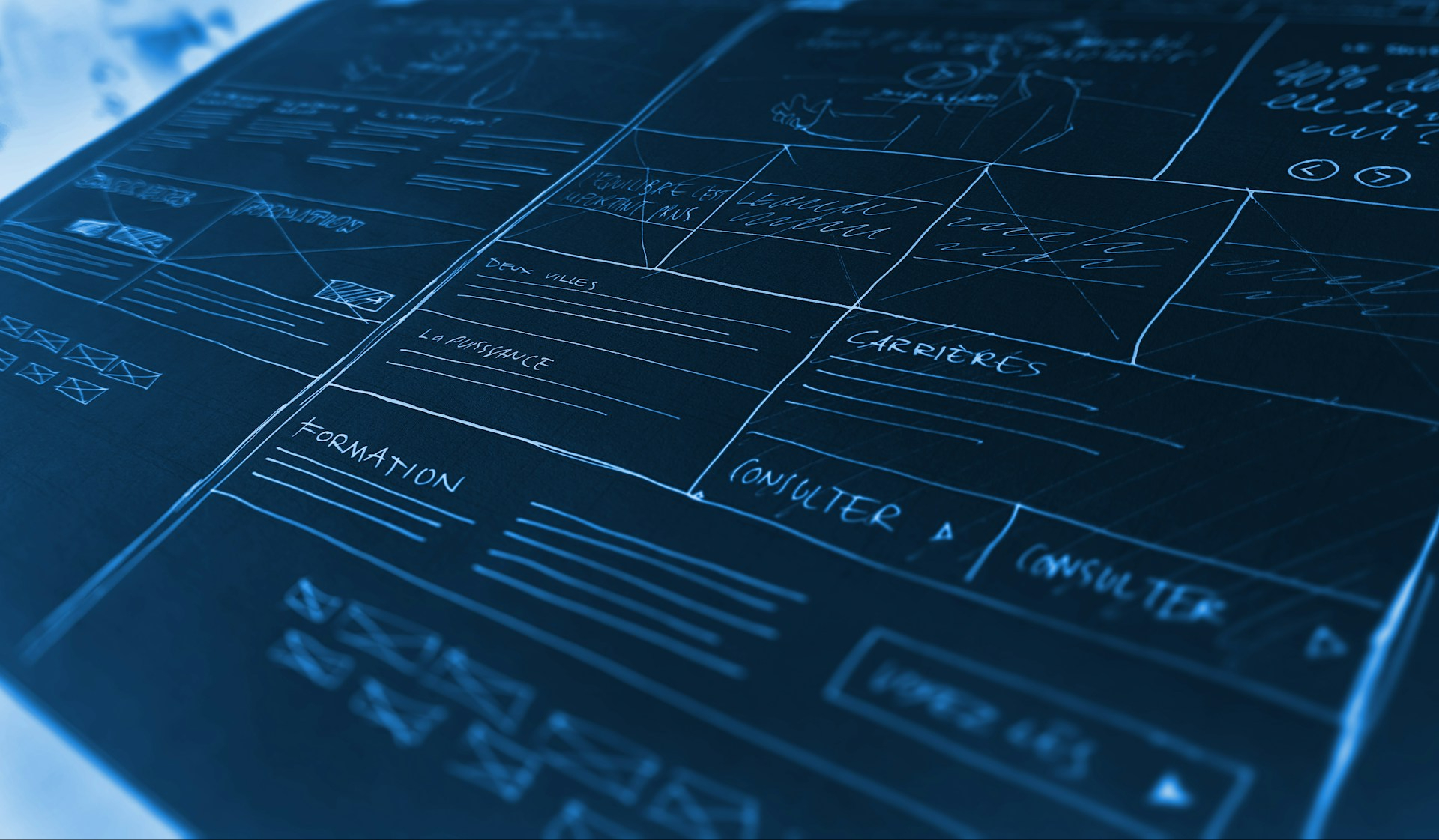
Well-prepared input is valuable. Over-specification too early can be dangerous.
Helpful preparation includes:
- A clear problem statement
- An understanding of who your users are
- High-level goals for the platform
- Known constraints such as budget, timelines, or compliance requirements
- Awareness of competitors or comparable products
Where founders often go wrong:
- Specifying solutions instead of problems
- Locking in features before validating assumptions
- Treating early ideas as fixed requirements
- Copying features from competitors without understanding the underlying complexity
We regularly see briefs that say things like:
“We need something like X, but better.”
Without context, this leads to bloated scopes, inflated costs, and products that miss the mark.
A Realistic Example from the Field
A founder approached us with a one-page brief stating they wanted a “simple platform” for managing clients and subscriptions.
During Discovery, we uncovered:
- Three distinct user types with different needs
- Complex permission rules that had not been considered
- Third-party integrations that would heavily influence architecture
- Regulatory requirements that impacted data storage and reporting
- A roadmap that made far more sense as a phased MVP rather than a single release
What started as a “simple platform” became a clearly defined MVP, with future phases mapped out realistically. The outcome was not more complexity for the sake of it, but fewer surprises, clearer costs, and a platform that could actually scale.
Why the Discovery Process Matters
Discovery is where experience fills the gap between vision and execution.
At Elemental, Discovery is not a vague pre-sales exercise or a box-ticking workshop. It is a structured engagement where we:
- Educate clients on what is possible and what is risky
- Ask the uncomfortable but necessary questions
- Challenge assumptions before they become expensive mistakes
- Explore user journeys, not just features
- Align business goals with technical decisions
- Define an MVP that delivers value quickly
- Consider future phases without over-engineering day one
This process produces tangible outputs such as:
- Clear scope and priorities
- Defined user roles and journeys
- Technical considerations explained in plain language
- A realistic roadmap beyond the MVP (we think big from the start even though we start small)
Importantly, it gives founders confidence. Confidence that they understand what they are building, why they are building it, and what it will take.
Discovery Builds Trust
For non-technical founders especially, trust is critical. You are placing a significant business idea, budget, and future growth plans in the hands of people who speak a very different language to you. A proper Discovery process creates transparency early on. It removes the feeling that things are happening behind the scenes or that decisions are being made without your input or understanding.
Through Discovery, trust is built because:
- Assumptions are surfaced and discussed openly
- Decisions are explained in business terms, not just technical ones
- Risks are identified upfront rather than hidden in delivery
- Trade-offs between cost, speed, and complexity are made together
- You can see how your vision is being translated into something concrete
Instead of a black-box build where you hope for the best, Discovery creates a shared understanding and a shared sense of ownership. The agency is no longer just a supplier executing instructions, but a partner invested in helping you make informed decisions and avoid costly mistakes.
That trust becomes the foundation for everything that follows, from MVP delivery to future phases, and is often the difference between a project that feels stressful and one that feels controlled, collaborative, and aligned.
The Difference Between Agencies That “Do Discovery” and Those That Don’t
Not all Discovery processes are equal.
Some agencies:
- Skip Discovery entirely and jump straight to quoting
- Bundle Discovery vaguely into proposals
- Rely heavily on assumptions to keep quotes competitive
- Push risk onto the client later via change requests
This often leads to budget overruns, scope creep, and frustration on both sides.
A proper Discovery process has real commercial value because it reduces uncertainty before development begins. It is not an added cost, but a cost-control mechanism.
When you are about to invest a significant amount of time and money into building a bespoke technology product, the real question is often not whether you can afford to do Discovery, but whether you can afford not to.
Discovery ensures the project starts on the right track, reducing the risk of misalignment, rework, and costly course corrections once development is already underway.
You Do Not Need a Perfect Brief to Start
It is also worth addressing a common misconception at this point. Many founders delay speaking to an agency because they believe they are expected to arrive with everything fully defined and documented.
To be clear, you do not need:
- A detailed functional specification
- Technical diagrams
- A fully thought-out feature list
- Prior experience building software
What you do need is:
- A willingness to engage in the process
- Openness to being guided and challenged
- An understanding that clarity is built, not assumed
The better prepared you are, the faster Discovery moves. But Discovery exists precisely because most founders are not prepared, and should not be expected to be.
Final Thoughts
Approaching a development agency without a detailed brief does not make you unprepared. It makes you honest.
What matters is choosing a partner who:
- Understands your business goals
- Knows how to guide non-technical founders
- Values planning as much as execution
- Designs for today’s MVP and tomorrow’s growth
- Acts as the tech partner you need throughout the project
If you are exploring a digital product idea and want clarity before committing to build, a Discovery engagement is the most valuable first step you can take.
If you would like to discuss your idea or explore whether a Discovery process makes sense for your project, you are welcome to book an exploratory consultation with Elemental.