


What Goes Into Developing An EdTech Website

In the rapidly growing landscape of education, EdTech (educational technology) is excelling. Remote learning is swiftly becoming the new norm for countless students worldwide.
But how can we meet this surging demand and create an innovative EdTech platform that genuinely enhances learning and captivates even the most unmotivated students?
We've done our homework on developing a successful EdTech website. We understand that it requires a unique combination of skills, industry expertise, creativity, and extensive research into captivating systems and designs that can motivate even the most disengaged students.
In this article, we will explore several crucial factors to consider when creating an exceptional EdTech website.
So, what does it take to build an awesome EdTech website? Grab your notepad because the class is in session!
DEFINE THE DIFFERENT USER TYPES AND THEIR ROLES
When developing an EdTech platform, you must bare in mind that there will be different user types which the website needs to cater for.
It is important to determine who will be practically using the platform, and what features and functionality you would need to implement to make their experience with your EdTech website useful and user-friendly.
To guide you in this process, here are a few questions to get you started.
1. WHO ARE THE PRIMARY USERS OF THE EDTECH WEBSITE?
Students:
In our experience, we find that students are the user types who make the most use out of the front-facing website where they can complete assignments, access and consume learning material, and review their academic progress.
It’s necessary to emphasise the importance of sleek, responsive, and engaging user interfaces with features and functionality that streamline their process of accessing the right materials, and implementing automation where possible to bring them back to the platform to turn studying from a bore into something they adore!
Educators/mentors:
Teachers play a crucial role in the success of an EdTech platform as they design, create, and publish educational content for learners. It is essential to have their needs as a top priority when developing your EdTech website.
You can ensure a smooth experience for educators and mentors by making content management and assignment marking easy to manage. Regular updates to content should be facilitated without making things too difficult for this user type. You should look into incorporating advanced reporting tools which can greatly benefit educators because it allows them to provide valuable and all-round performance feedback to learners and parents.
Parents/Guardians:
Parents or guardians of kindergarten or primary school learners may also want access to the EdTech website. Although they might not use it as frequently as teachers or scholars, this user type is typically interested in being able to quickly see what kind of educational content their child is learning, and have a snapshot overview of their progress, attendance, scores, performance as well as upcoming due dates.
Super administrators:
This user is far more involved with the website’s backend and content management.
You need to be aware of the fact that the super administrator will be able to manage all aspects of the web application. This includes really specific items of the platform, user management, test and assessment data.
For the super administrator, an excellent UI design and advanced reporting and dashboard tools are a must-have as they need the ability to gauge tons of data easily.
2. DOES THE EDTECH WEBSITE NEED TO INTEGRATE WITH THIRD-PARTY PLATFORMS?
When developing an EdTech website, you don't need to reinvent the wheel for certain features and functionalities that can significantly enhance your website.
APIs are Application Programming Interfaces, and they allow different software applications to communicate with each other.
In EdTech websites, APIs are used to communicate and integrate with third-party services and software providers. These APIs facilitate data exchange, user authentication, payment processing, integration with learning management systems, content delivery, communication features, and analytics or reporting.
APIs are super useful to EdTech websites because they enhance their functionality and features.
It's worth doing research to identify third-party platforms that can add value to the EdTech website. Ask your development team as some APIs for these third-party platforms are more complex to integrate than others. Coding pros like the development team at Elemental can often help identify APIs and alternatives that could meet your unique needs.
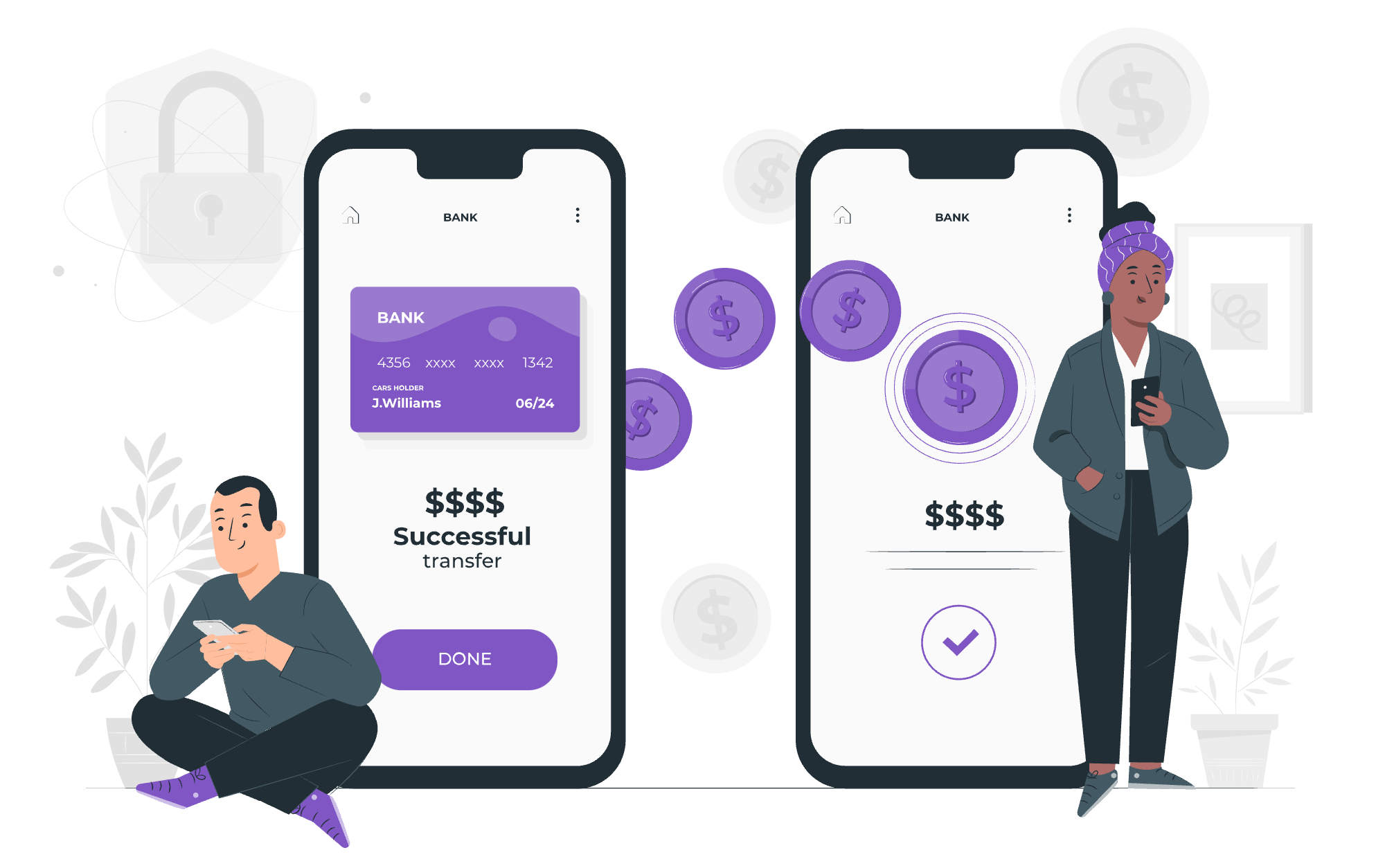
An essential API to consider is your payment gateway. After all, having paying users is paramount for the success of your EdTech website.
At Elemental, we work with various payment gateways such as Paypal, Payfast, Stripe, and others to assist our clients in effortlessly collecting recurring payments or one-time purchases from their customers.
3. WHAT WILL THE BILLING MODEL BE?
Speaking of payment integrations, an essential factor to consider is how you will be billing your users.
Different EdTech websites may aim to reach very different target audiences, which is why it is necessary to have different pricing and offerings in your EdTech website depending on your audience.
Great EdTech websites typically include these billing models:
- Subscription-based: This model is a great option if you are offering recurring billing on your EdTech website. Depending on the needs of your user, a monthly or yearly subscription may be ideal for learners who continuously make use of the website throughout the school year.
- Pay-per-course: Some EdTech websites may offer individual courses. This is highly beneficial for adult learners and university students who might only require help or have the desire to up their skills in a certain subject.
- Bundled packages: EdTech websites may offer multiple courses in a single package at a fixed price. This is an attractive option if you’d like to reel returning customers in with amazing deals as bundled packages typically offer combined courses at a discounted rate when compared to purchasing these courses individually.
- Freemium: Freemium billing models are ideal when you’re looking to lure clients in with a basic set of free features and content, while some premium features are restricted. This offers users the flexibility to upgrade to a premium paid plan when they need more advanced features and benefits.
- Licensing: If you're looking to collaborate with schools and have them adopt your EdTech website, offering licensing options is a valuable approach. This allows schools to access the entire website for their institution at a negotiated price. Factors that determine the price may vary but typically take into account the number of users and the duration of their usage
4. WHAT FEATURES WILL PAID USERS HAVE ACCESS TO?
This is a crucial aspect to consider for your EdTech website. What value are you providing to your users through the features and functionality you offer?
Depending on your EdTech website’s goals, your target audience plays a pivotal role in selecting the right features for your EdTech website. For example, younger learners like primary school students may benefit from interactive features such as tests, worksheets, quizzes, and assignments, while older students may prefer independent learning without excessive extras.
5. WILL YOU BE COLLECTING FEEDBACK?
Understanding how your users feel about your EdTech website is key to making changes that make your users keep coming back and using your website. If you’re going to be gathering this valuable feedback, you need to consider the different options for data collection, from ratings and reviews to surveys and questionnaires.
To gather this valuable feedback, you should explore a few options for optimal data collection, like asking for ratings and reviews online as well as surveys and questionnaires.
Lastly, if you’ve got different user types that log in and interact on your EdTech website, you might want to consider getting feedback from all of these different user types. After all, any valuable feedback that leads to continuous improvements of the website will enhance the user experience and functionality for other users.
6. ARE YOU GOING TO BE INCORPORATING GAMIFICATION?
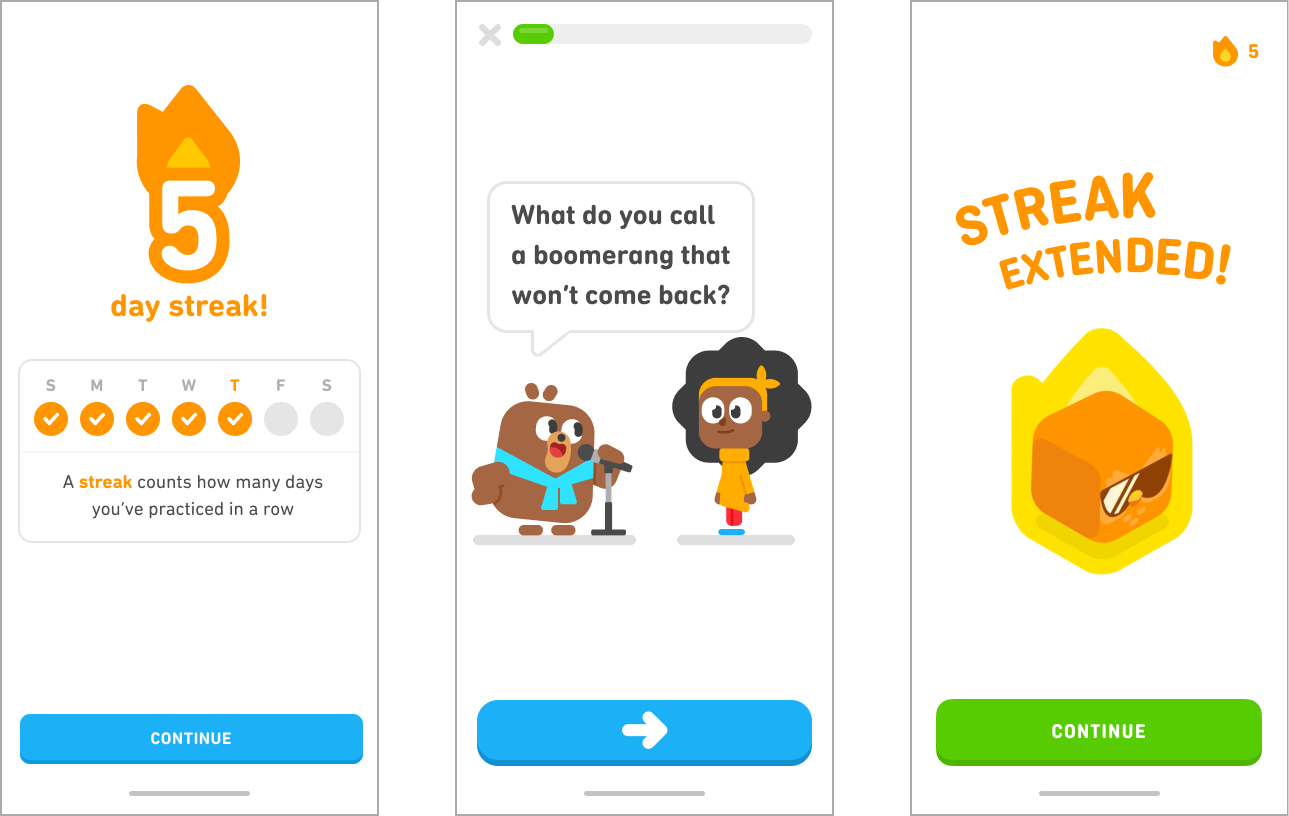
Gamification is a great way to increase the engagement of learners and make learning activities fun. There are numerous ways of incorporating gamification into EdTech websites.
Gamification is a flexible approach that applies game design principles and the element of "fun" to increase interactivity, enjoyment, and motivation in learning. In EdTech websites and web apps, gamification incorporates game-like features such as rewards and achievements to create an exciting and motivating environment for activities like learning and studying. Check out this article to learn more about how gamification can benefit your EdTech website!
7. HOW WILL YOU SCALE AND GROW YOUR EDTECH WEBSITE?
The goal of any EdTech website or web app is for it to grow and scale in terms of the number of users as well as the features and functionality it offers.
Not planning for future growth and scalability is a big mistake that many EdTech companies make when entering the market. So, how do you go about planning for insane growth?
It starts with ensuring that you have set up a solid foundation.
A competent development team with experience in building custom EdTech websites can see to it that the infrastructure and database of your EdTech website can accommodate a serious increase in users and site traffic. On top of that, your development team can also ensure that your website can show and store more content, and introduce new features when you need them without the need to redevelop large parts of the website.
8. HOW WILL YOU BE USING REPORTING AND DATA ANALYTICS?
In order to report and understand data, we first need to track and save this data. The implementation of tracking mechanisms to monitor user behaviour, such as course progress, time spent on specific activities, and areas of interest, helps identify patterns, user preferences, and possible areas for improvement.
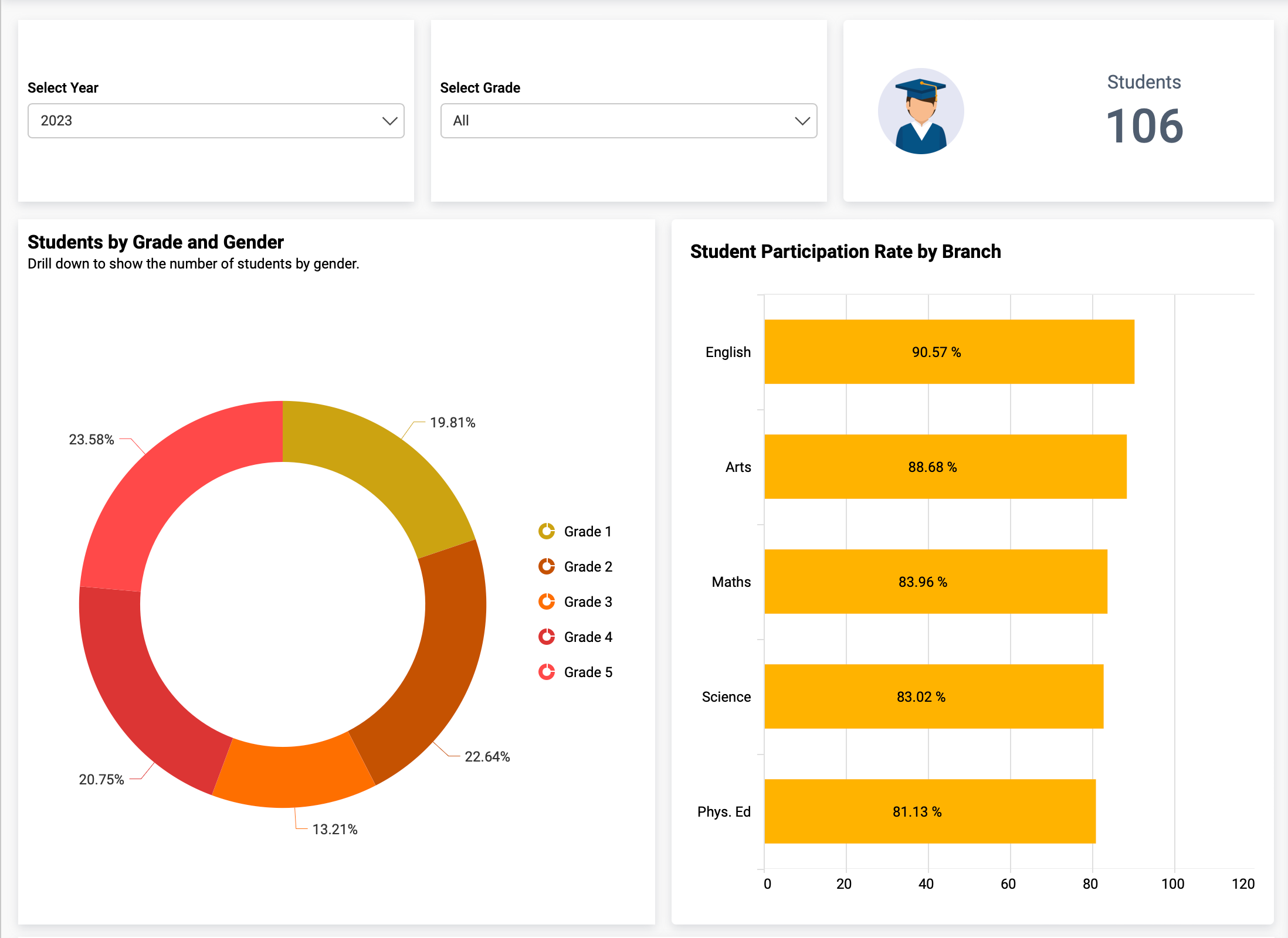
Understanding this data is key to making decisions about future improvements to the EdTech website. To understand this data it’s best done through reporting tools, where users can sort and filter data to interrogate it as they please.
Dashboards are also a very powerful way of reviewing complex data as they allow users to view relevant metrics and reports in a visually appealing and easy-to-understand format.
You don’t necessarily need to develop these complex reporting and dashboard tools from the outset but it’s imperative that the tracking and saving of data is done, to ensure that when the time comes to report on the data, the data exists.
TO CONCLUDE
We covered a few of the essential factors to consider when developing an EdTech website that wows.
In a nutshell, when you know your different user types, you can design and develop an EdTech website with specific features and functionality like automation, interactive user experiences, APIs, gamification and reporting that meet their unique needs.
You should be prepared for future growth and scalability of your EdTech website, and a great web development team can definitely help you out with this! Furthermore, you should listen to your users and consider their feedback when growing your website in terms of adding more features that they will love.
Are you ready to join the EdTech revolution with an amazing EdTech website of your own? Here at Elemental, we have loads of experience in building bespoke EdTech websites that turn our clients' ideas into world-class educational websites that make a difference in learners’ lives. Reach out to us today to find out more about how we can bring your idea for a top-notch EdTech website to life.