
Why Agile is the key to successful web development projects

When embarking on a web, mobile, or software development project, choosing the right project management methodology can make all the difference. At Elemental, we tailor our approach - whether Agile or Waterfall - based on the unique needs of each development project. While both methods have their strengths, today, we’re shining a spotlight on Agile and why it’s often our go-to for delivering successful, custom-built projects.
What is Agile Project Management?
Agile is a collaborative, iterative approach to managing projects (in our case web, mobile, and software development projects). The agile methodology is particularly effective in scenarios where the project scope is unclear or constantly evolving. Unlike the Waterfall methodology, which follows a rigid, sequential process, Agile allows for changes to direction and project scope, as the project progresses, enabling teams (and the project) to adapt to new insights, market changes, or evolving customer needs.
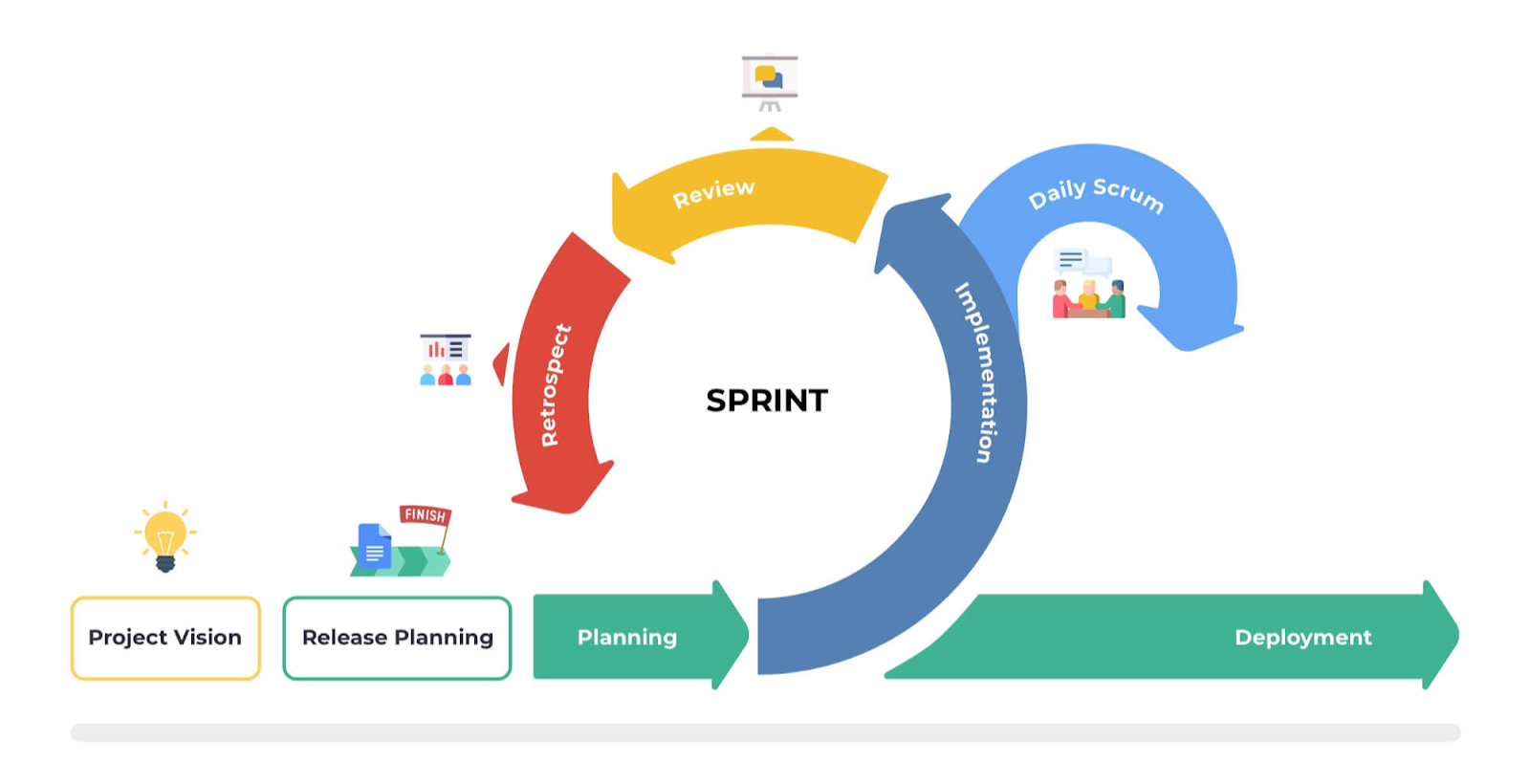
Agile projects are broken into smaller, manageable chunks known as sprints (typically a block of time normally spanning two weeks), each delivering a portion of the overall work. Each sprint will have clearly defined goals that need to be achieved by the end of the sprint (more on that further down). You can think of agile as building a puzzle piece by piece, with the ability to adjust the picture as it comes together.
Key characteristics of Agile include:
- Iterative development: Work is completed in cycles (sprints), with each iteration resulting in a tangible product increment that can be tested, reviewed, and improved.
- Collaboration: The project team works closely together, often in daily meetings, to ensure constant communication and alignment. The client is also involved, ensuring that feedback is continuously integrated. End of sprint retrospectives are also part and parcel of agile, which all team members are involved with.
- Flexibility: Agile thrives in environments where the requirements might change as development progresses, making it an excellent fit for complex, dynamic projects.
Why Choose Agile for Your Project?
- Embracing Change
Agile is ideal when the scope of a development project isn’t fully defined from the start. As progress is made, new ideas and feedback can significantly influence the direction of the digital product. This makes Agile perfect for web, mobile, and software development projects in industries that are constantly evolving, where the scope and features of the project change and evolve very quickly. - Frequent Deliverables and Rapid Feedback
Agile allows development teams to deliver working software or product features on a regular basis, typically at the end of each sprint (usually one to two weeks). This means the client gets to see tangible progress regularly and can provide feedback to steer the project in the right direction before it’s too late. This ongoing feedback loop significantly reduces the chances of costly mistakes or misalignment between the final product and the client's expectations. - Increased Client Involvement
Agile allows the project development team to work closely with the client, allowing the client to be very involved in the project. This is particularly useful as the client can provide input where needed, raise any objections or changes so that the project stays on track with their vision and expectations, as well as shift focus or change direction if it’s in the best interest of the project. - Improved Team Collaboration
Unlike traditional project management models like Waterfall, where each phase is completed in isolation, Agile encourages daily communication and collaboration among team members. This creates a more cohesive team that can respond to issues quickly and efficiently. Developers have more ownership of their tasks, and working together more frequently increases the overall accountability of the team. The result? A smoother workflow and more efficient project completion. - Better Risk Management
Agile’s focus on regular testing, development iteration, and continuous feedback allows potential issues or risks to be identified early. This proactive approach minimises the likelihood of encountering significant problems during the later stages of the project, which are common in Waterfall's linear approach, where errors may only be discovered at the end. - More Testing, More Often
In our Agile approach, testing is seamlessly integrated into each sprint, ensuring it happens on an almost continuous basis. This proactive testing strategy helps maintain high levels of quality and robustness throughout the project lifecycle. By addressing bugs and issues as they arise, we avoid the overwhelming backlog of fixes that would come with leaving testing to the end of the project. This not only streamlines development but also ensures a more polished and reliable product.
Where Agile isn’t a Good Fit
Although Agile offers a wealth of benefits, it’s not always the best fit for every project. For highly regulated industries or when project requirements and scope of work are clear and unlikely to change, a Waterfall approach may be more suitable. Waterfall’s linear, step-by-step methodology works well in scenarios where each phase is tightly controlled, such as in large-scale enterprise development projects or when teams require clear, predefined documentation at every stage.
For example, if you’re working on a project where the requirements are well-understood and unlikely to change - such as building a simple, static website with no iterative design process—Waterfall might offer more predictability and clarity, with limited client involvement.
What Agile is — and What it isn’t
We’ve touched on where agile is and isn’t a good fit, however, summarising this in a few short and easy-to-understand bullet points further drives the point home.
Agile is:
- A framework for managing change and uncertainty.
- A way to deliver incremental value throughout the project lifecycle.
- Collaborative, involving developers, project managers, QA, and clients.
- A method that prioritises flexibility and continuous improvement.
- Allows for change through the full project lifecycle, delivering iterative working features.
Agile isn’t:
- A "do whatever feels right" approach. Proper planning and structure are key.
- The best fit for every project—some initiatives may be better suited to Waterfall.
- A guarantee of speed; quality and collaboration remains the focus.

When Agile Works Best
Agile thrives in projects where:
- The scope is uncertain: If the full vision isn’t clear from the outset, Agile allows for evolution and refinement as the project unfolds.
- Flexibility is needed: Changes in priorities, market conditions, or customer feedback can be seamlessly integrated into the process.
- Collaboration is key: Regular touchpoints and feedback loops ensure everyone is aligned.
- Visibility is critical: Clients can see progress in real time, providing valuable input at every stage.
- MVP launch: Where the client needs to launch an MVP in the most efficient and agile way possible.
When Waterfall Might Be a Better Fit
While Agile has many benefits, it’s not always the ideal choice. Waterfall might be better if:
- The scope is fixed: The project scope is clearly defined with little room for change.
- Deadlines are rigid: Sequential planning ensures each stage is completed on schedule before the next stage can start.
- Stakeholder involvement is limited: Some clients prefer to review a final product rather than participate in iterative updates. This is typical in development projects where the client has signed off on the scope of the project upfront and is happy with what they expect to be delivered.

How Agile Works at Elemental
When we manage custom development projects using Agile, we follow a structured process to ensure success:
- Detailed Planning:
The project is broken into epics and user stories, each with clear acceptance criteria. This ensures everyone understands what needs to be delivered and what “done” looks like. - Sprint Planning:
At the start of each sprint (typically 1–2 weeks), the team commits to specific deliverables. These deliverables must be developed, tested, and signed off by the end of the sprint. - Collaborative Development:
Team members work together, with developers ensuring their work passes internal tests before moving to QA. QA won’t accept tasks unless dev testing is complete, ensuring quality control at every step. - Continuous Improvement:
At the end of each sprint, a retrospective is held to review progress, address challenges, and refine the process for the next sprint.
The Downsides of Agile (and How We Mitigate Them)
- Potential for Scope Creep: Constant changes can expand the project. We mitigate this by prioritizing features and maintaining a clear focus on the project goals.
- Demanding on Stakeholders: Agile requires regular involvement, but this also ensures that the end product aligns perfectly with the client’s needs.
- Team Dependency: Success relies on a highly collaborative team. At Elemental, our experienced developers, testers, and project managers excel in working together seamlessly.
The Elemental Approach: Combining Agile and Waterfall for the Best Results
Although this article is aimed at promoting Agile as a project methodology for custom development projects, we understand that no one-size-fits-all approach exists. While Agile can be a fantastic way to drive innovation and flexibility, we also recognise that there are situations where Waterfall might be a better fit. The key is choosing the right methodology based on the needs of the project.
For example, some parts of a project might benefit from the structure and predictability of Waterfall, while other parts - especially those involving rapid iteration, user feedback, and evolving requirements - are better suited to Agile.
Our approach is to use Agile where flexibility and ongoing refinement are needed and to apply. Waterfall where clear specifications and timelines are essential. This ensures that every project we handle gets the best possible approach, leading to successful outcomes and satisfied clients.
Conclusion: Why Agile Is the Future of Project Management
In today’s rapidly changing business environment, the ability to adapt quickly to new information is key. Agile offers the flexibility, collaboration, and continuous improvement that modern development projects need to thrive. Whether you’re building a cutting-edge app, an innovative web platform, or developing custom software, Agile’s iterative and feedback-driven process ensures that your project stays aligned with your business objectives, all while minimising risks.
At Elemental, we pride ourselves on being able to apply the right methodology for every project, ensuring that it’s executed efficiently and delivers results. If you’re ready to embrace an Agile approach or discuss which methodology might work best for your project, get in touch with us today.