
Understanding the costs of web and mobile app development

When planning a web or mobile app development project, one of the biggest questions is: how much will it cost?The answer, as frustrating as it may be, is it depends. Several factors influence the cost, from the scope and complexity of the project to the approach used for development. Understanding these factors can help businesses get a better understanding of all the items that affect the costs, make informed decisions and optimise their budgets for their new project builds.
In this article, we'll break down the various elements that impact development costs and why starting with a Minimum Viable Product (MVP) is often the best approach. We'll also explore the difference between agile and waterfall development methodologies and discuss how outsourcing web and mobile development can significantly impact costs and efficiency.
The Importance of Starting with an MVP
An MVP (Minimum Viable Product) is a simplified version of your software product that includes only the essential features needed to validate your idea. The goal of an MVP is to launch quickly, gather user feedback, and iterate based on real-world usage rather than spending time and money building features that might not be needed.
Starting with an MVP helps control (reduce) costs because:
- It prevents unnecessary development of complex features that may not be required.
- It allows businesses to validate their idea before making a larger investment.
- It speeds up time to market, enabling early revenue generation or funding opportunities.
- Speed to market also offers the first mover advantage.
- It reduces the risk of investing in a product that doesn’t meet market needs.
Once an MVP is launched and validated, additional features and functionality can be developed iteratively based on user feedback and business priorities. Keep in mind that many of the websites and mobile apps you use today started off very simple and evolved over time. Think of AirBNB and Uber as two prime examples that have evolved significantly since their initial release.
Key Factors That Influence Development Costs
1. Project Scoping & Planning
The foundation of any successful development project is proper scoping. This involves:
- Clearly defining requirements and features.
- Documenting user journeys and functionality available to each user type.
- Prioritising functionality based on business objectives.
- Creating wireframes or prototypes to visualise the app’s structure.
The more detailed and well-planned the scope is, the easier it is to estimate costs accurately. Poor planning can lead to scope creep, where new requirements are added mid-project, leading to increased costs and delays.
A great way that we help our clients scope out their initial idea is through an interactive discovery process. They’ve proven to be highly effective and collaborative, which provide founders with a process to flesh out their ideas and get a defined scope of their project at the end.
2. UI/UX Design
The design phase involves creating an intuitive, engaging, and user-friendly interface. The process involves wireframing (optional depending on the project) and designing of the various screens or pages that users interact with through their user journey, when engaging with the website or app.
This includes:
- Wireframing and prototyping.
- High-fidelity UI design.
- Transitions and animations: research and proposed functionality
A well-designed website or app improves user retention but can be costly, especially if extensive animations, custom illustrations, or detailed branding are involved. To keep costs down, it’s a good idea to balance a clean and user-friendly design with minimal animations and transitions to start with.
3. Development (Front-End & Back-End)
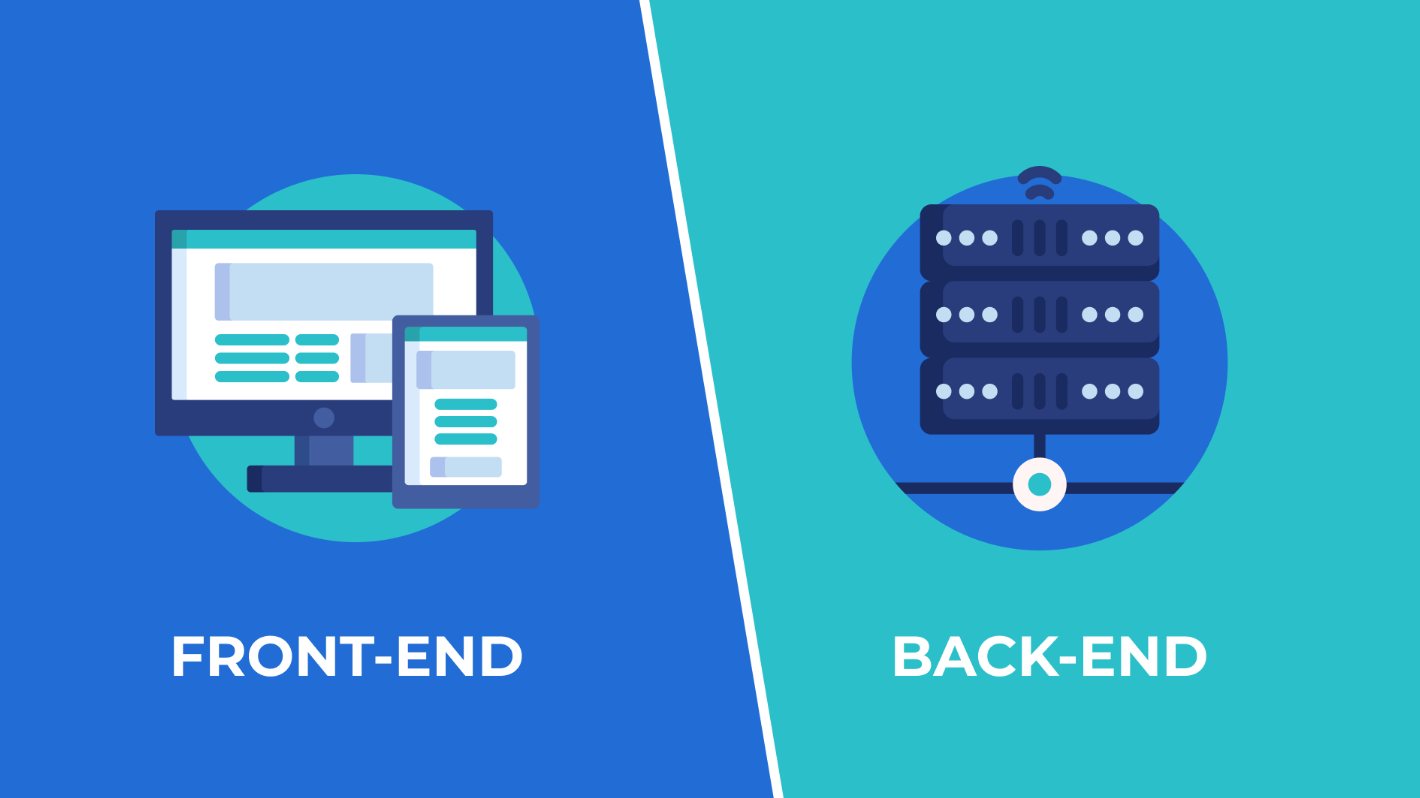
The actual coding of a mobile app consists of two major parts:
- Mobile App Development – The development of all the app’s screens together with the functionality development.
- Back-End Development – The database design and development, the CMS and APIs that handle data storage and business logic.
The actual coding of a website and web app consists of two major parts:
- Front-end Development – The development of the user-facing side, including UI elements (responsive) and implementation of animations and transitions. Development of front-end functionality.
- Back-End Development – The database design and development, the CMS and APIs that handle data storage and business logic.
Factors that influence development costs include:
- The complexity of the features (e.g., authentication, real-time updates, payment gateways, multi-language, AI implementation).
- The technology stack used (e.g., native development vs. cross-platform solutions like Flutter).
- Automated processes that run autonomously (e.g., reminders, notifications, reports, etc.)
- Third-party integrations and API requirements.
4. Quality Assurance (QA) & Testing
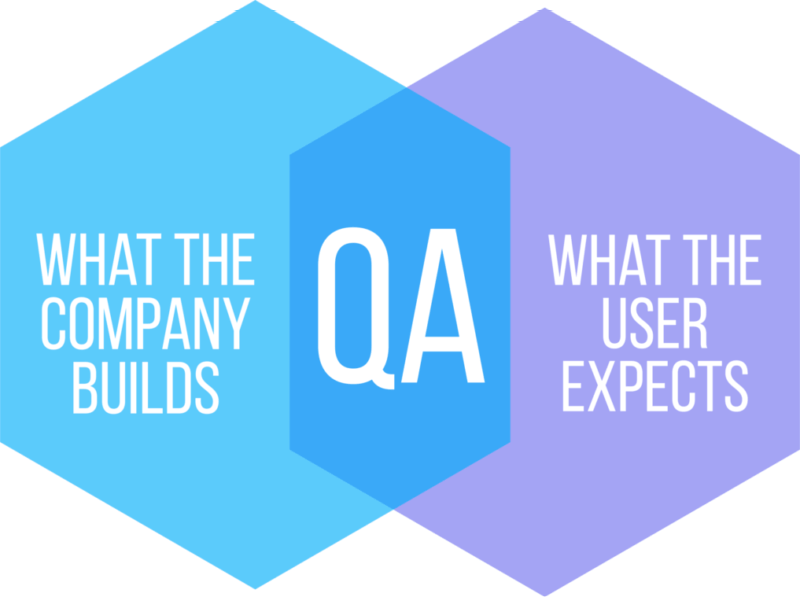
Skipping or reducing testing can lead to major issues and a potential compromise in terms of quality post-launch. QA ensures that the website or mobile app functions as expected across different devices and operating systems. This includes:
- Interface testing (ensuring that the interfaces look how they were designed and adapt correctly when viewed on different devices and screen sizes)
- Functional testing (ensuring all features work correctly).
- Performance testing (checking for speed and scalability).
- Security testing (preventing vulnerabilities and data breaches).
Testing is often underestimated but is crucial to delivering a stable product. At Elemental we have an in-house team of testers that use a variety of testing tools and techniques to ensure that we deliver products of the highest quality.
5. Project Management
Managing a development project requires coordination between designers, developers, testers, and stakeholders. A strong project manager ensures that:
- The project is properly planned out, with the correct resources allocated at the correct times.
- Timelines and budgets are adhered to.
- Communication between teams and clients is seamless.
- Risks and roadblocks are addressed proactively.
While project management adds an extra cost, it significantly improves efficiency and prevents costly rework. For us at Elemental each project always has a project manager dedicated to the project to ensure that the project is managed from the start until launch.
6. Deployment & Maintenance
Once the website or app is built, it needs to be deployed and maintained. Costs in this phase include:
- Cloud hosting and server costs. Typically each project has at least two environments (staging and live / production).
- App store submission fees.
- Enhancements and fixes as part of the deployment process.
Deployment is part and parcel of every project. Often these deployments are fairly straight forward but don’t be fooled as there may be hidden complexities and challenges that may arise, resulting in additional time and costs needed to resolve these deployment obstacles.
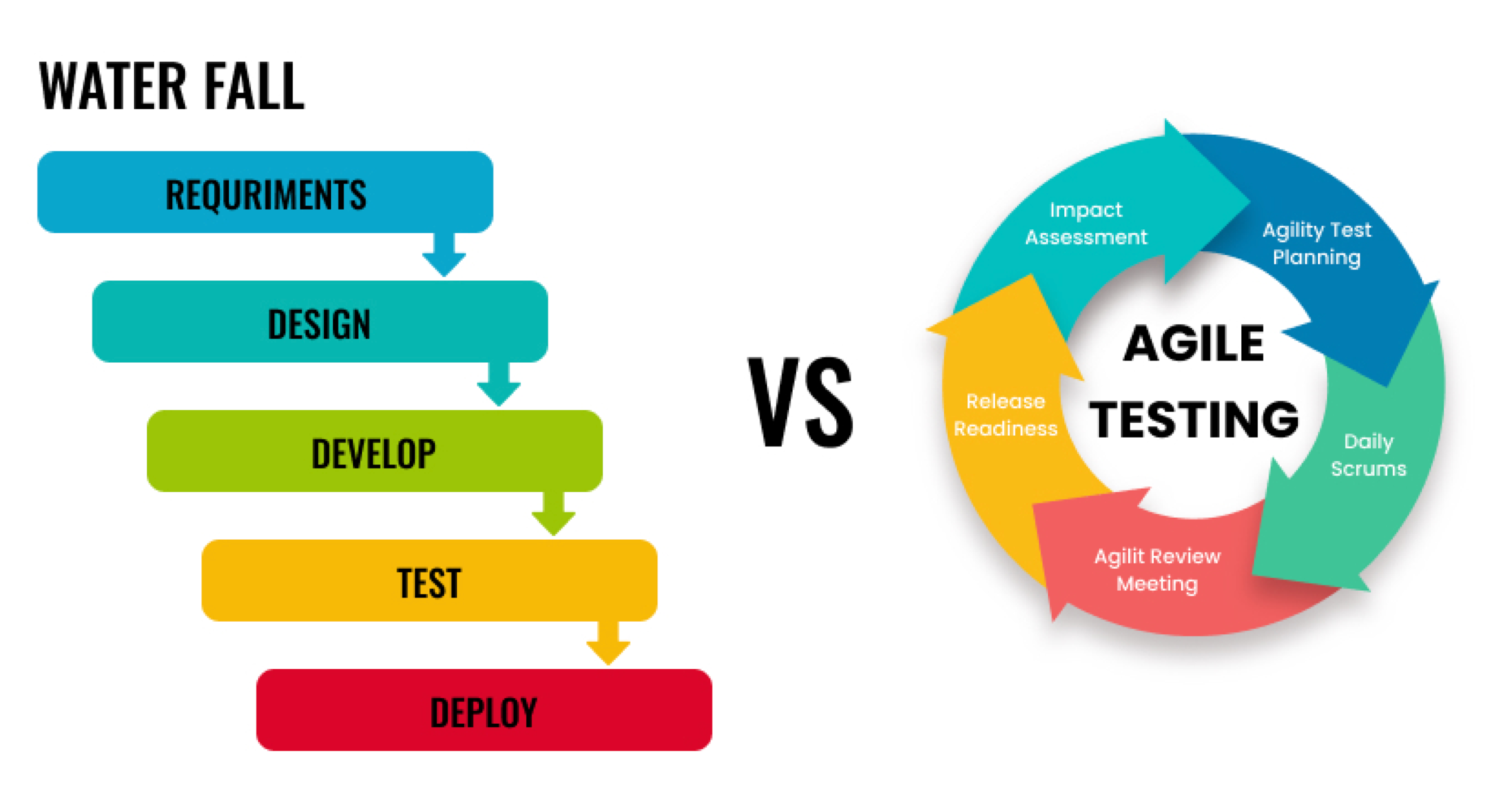
Agile vs. Waterfall: How Development Approach Affects Costs
The project management methodology used to develop a web or mobile app significantly impacts costs and flexibility.
Waterfall Approach
- A linear, step-by-step process where each phase is completed before moving to the next.
- Works well when the scope is well-defined upfront (typically through the Discovery Process).
- Changes and iterations are expensive since they require a change request process, where out of scope items are treated as new smaller projects (with their own timelines and costs).
Agile Approach
- An iterative process where development is broken into smaller cycles (sprints).
- Allows for flexibility and adaptation based on user feedback. In other words, the direction of the product and its features change and re-align based on all stakeholder input.
- More cost-effective for long-term projects, as changes can be incorporated throughout development.
However, being too flexible and changing scope all the time will result in additional time and costs, so the key is to be as precise as possible and carefully consider drastic changes to the product.
For most businesses, an agile approach is preferable because it ensures that the product evolves based on real user needs rather than assumptions made at the start of the project.
The Cost Benefits of Outsourcing Development
Many companies opt to outsource development to an established and experienced development company instead of hiring an in-house team. While outsourcing is often seen as a way to save money, its benefits go beyond just cost reduction.
What You’re Really Paying for When Outsourcing
When outsourcing to a reputable development agency, you’re not just hiring developers-you’re buying a process, a system, and years of experience. This includes:
- Technical Expertise – A team that knows best practices for planning, developing, launching and maintaining, custom and complex projects.
- Project Management & Strategy – A structured approach that ensures smooth execution. The entire management of the project before a line of code is written until the project is deployed, is managed on a continuous basis with the correct tools.
- Established Processes – Avoiding trial-and-error methods that lead to wasted time and budget. Experienced outsourced development agencies, have refined and honed their systems and processes to make projects a success.
- All Encompassing Teams - An established development agency, has the entire team composition, from designers, developers, testers and project managers. Not only do they have the team but they’ve worked on molding these teams to work efficiently together and to collaborate for maximum efficiency and performance.
- Tech Partner - Competent development agencies often act as the client’s tech partner helping them with complex technical decisions and solutions.

The Hidden Costs of In-House Development
Many businesses assume that hiring in-house developers is cheaper, but they often overlook:
- Recruitment and training costs.
- Salaries, benefits, and overhead expenses.
- The risk of skill gaps or delays when key team members leave.
- Establishing processes and systems that allow for successful projects to be produced in a high pressure environment.
- Team management dilutes focus on the core business goals.
Outsourcing eliminates these concerns, offering a streamlined and efficient path to development.
Final Thoughts
The cost of web and mobile app development is influenced by multiple factors, from scoping and design to development and maintenance. Starting with an MVP helps businesses validate their ideas while keeping costs under control. Choosing the right development methodology, whether agile or waterfall, also plays a crucial role in managing expenses.
Most importantly, software development outsourcing can be a game-changer-not just in terms of cost savings but in leveraging expertise, processes, and systems that accelerate development and prevent costly mistakes.
At Elemental, we specialise in helping businesses build scalable, high-quality digital products while acting as a tech partner. Whether you're looking to launch an MVP or scale an existing platform, our expert team can guide you every step of the way.
Need help estimating your development costs? Get in touch with us today!