What Actually Happens When You Hand a Project to an Offshore Development Team
A behind-the-scenes look at communication, ownership, and quality control on real agency and client projects
If you're an agency considering a white-label development partner, there's one question sitting underneath every other conversation: what happens to my project once it leaves my hands?
It's not really about cost, or even capability. It's about control. You're the one who has to answer to your client if something goes wrong. So the real fear isn't "can they build it," it's "will they deliver, will they communicate, and if something breaks, will I even know until it's too late."
That fear is fair. There are plenty of offshore shops that take on more than they can handle, go quiet for weeks, and leave agencies holding the bag with a client who was promised something better. We've had agencies come to us after exactly that experience.
So instead of telling you why you should trust us, we want to walk you through what actually happens on one of our projects, using a real one as the example: My Cherish App, a US client we worked with end to end. The project itself wasn't run through an agency, but every part of the process below, the communication, the ownership, the QA, the handling of problems, works exactly the same way when an agency sits between us and the client.
Who this is for
This is written for digital agencies, marketing agencies, branding studios, and product companies in the US and UK who are weighing up whether to bring in an offshore development partner for client work, overflow capacity, or a full build they don't have the in-house team for. If you've been burned before, or you've never outsourced development and want to know what it actually looks like day to day, this is for you.
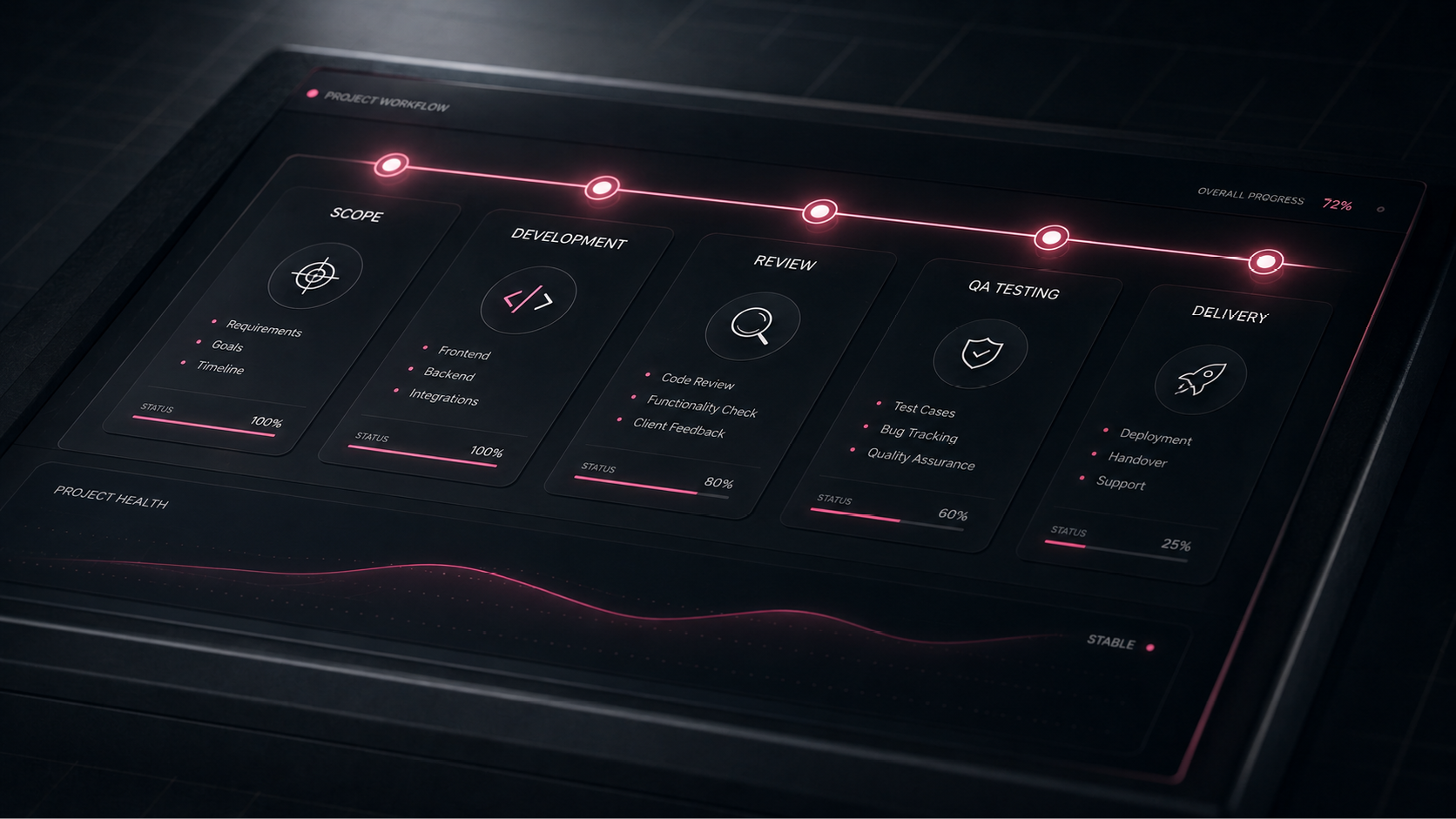
It starts with real scoping, not guessing
Before any development starts, a new project goes to our new business team, who review the scope, set up calls, and get into the detail. We ask questions, confirm assumptions, and get to know the project properly. If it's a complex or technical project, we'll bring in our CTO or head of development at this stage too.
With agency-referred work, the scope is usually already fairly well defined, so we don't always run our full Discovery workshop the way we would with a direct client. But the goal is the same either way: make sure everyone is aligned on scope, expectations, and delivery dates before a single line of code gets written. Once that's locked in and costed, our project managers take over, allocate resources, and run the internal kickoff with the dev team.
Someone owns the relationship, every day
Every client gets a dedicated project manager before the project even kicks off. That person is the single point of contact from day one through to delivery. They handle project plans, updates, and demos, and they're the one liaising with our internal team and chasing down whatever information is Needed.
Communication itself stays deliberately simple. Most updates go out over email, because that's what clients want and it keeps the process light. Where something needs more nuance, we get on a call. On My Cherish App specifically, that meant regular Google Meet sessions to walk through progress, show demos, and talk through anything that needed clarifying.
We're not trying to impress anyone with a dashboard full of tools. We're trying to make the client's life easier, because that's what actually builds a strong working relationship and lets us move fast.
Timezone overlap works in the client's favour
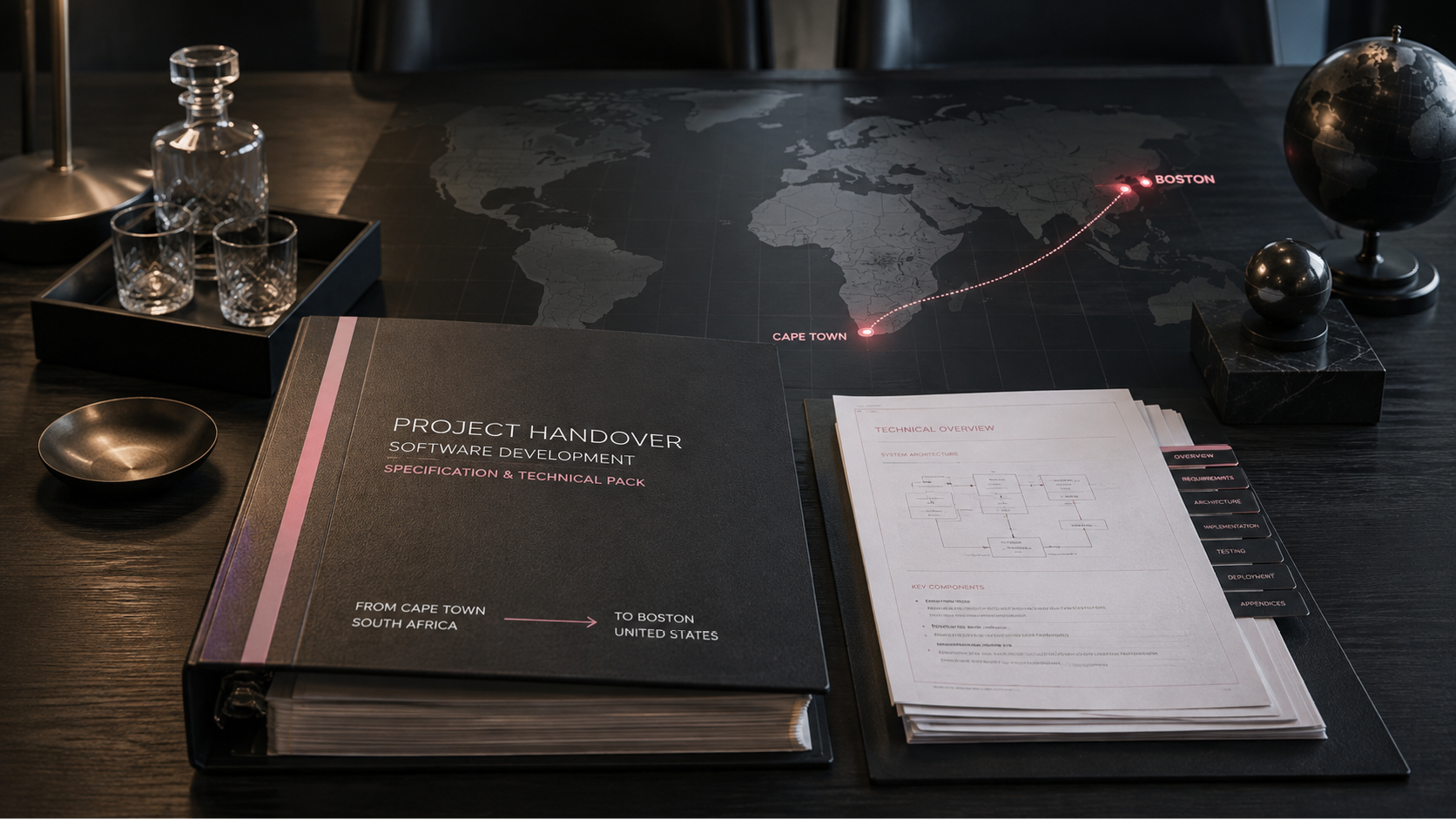
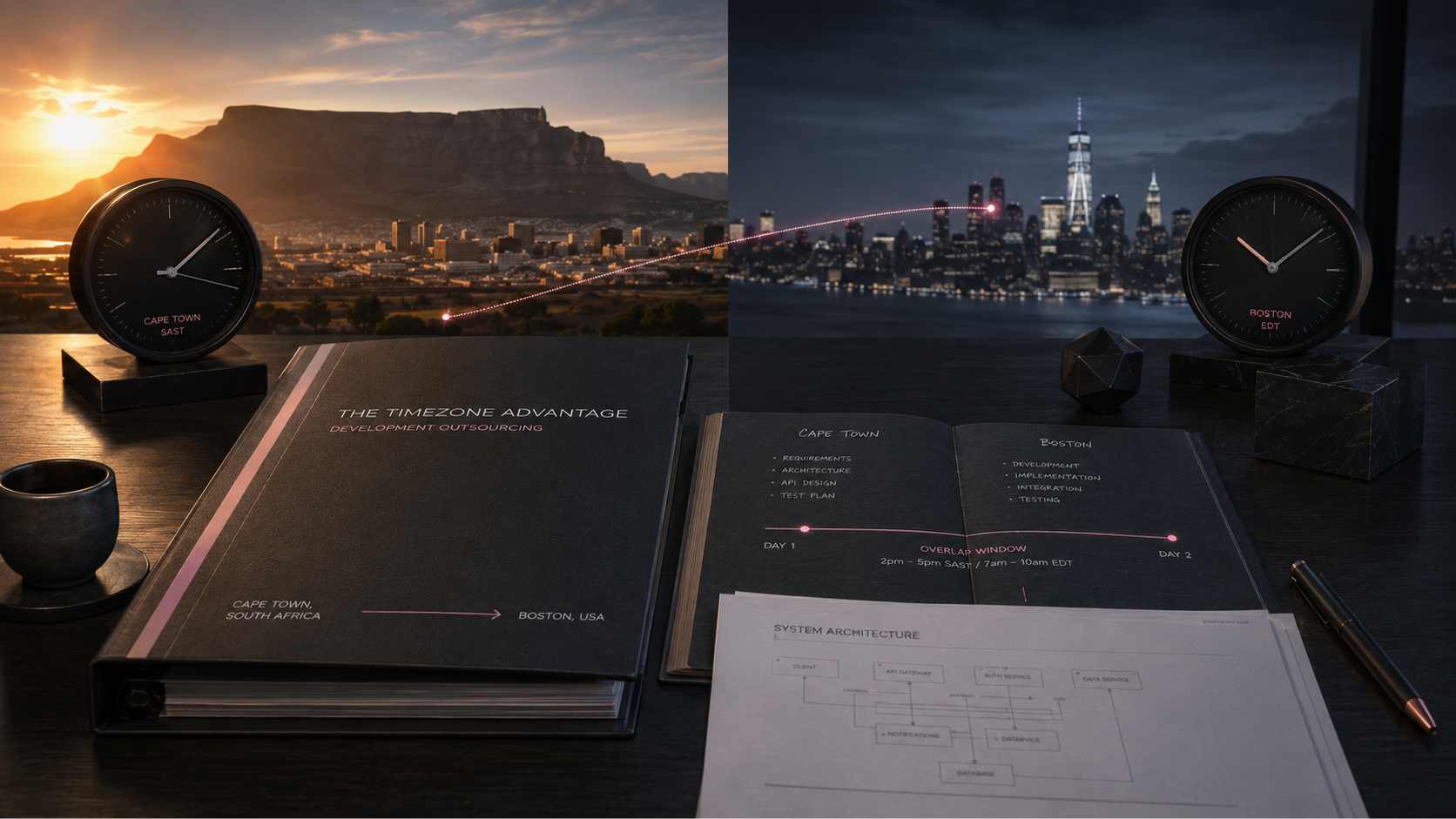
Being based in South Africa puts us several hours ahead of the US. In practice, that means by the time a US client logs on in the morning, we've already put in most of a working day. Anything non-urgent goes out by email overnight from their side.
Anything that needs a live conversation, a demo, a tricky decision, happens over a call scheduled for our afternoon, which lines up with the client's morning. That gives us a window to clear up anything urgent before the next day starts, so nobody's ever stuck waiting on a blocker overnight.
When something needs to be worked through
No project runs perfectly straight. On My Cherish App, there were moments where a technical approach needed to be adjusted or a feature needed rethinking. Our approach in those moments is always the same: get on a call, lay out the options clearly, and bring our own recommendation to the table rather than just presenting a problem. That's the difference between being an order taker and being a tech partner. Being thorough and communicating in detail is the job, not an extra.
Quality control doesn't depend on someone watching
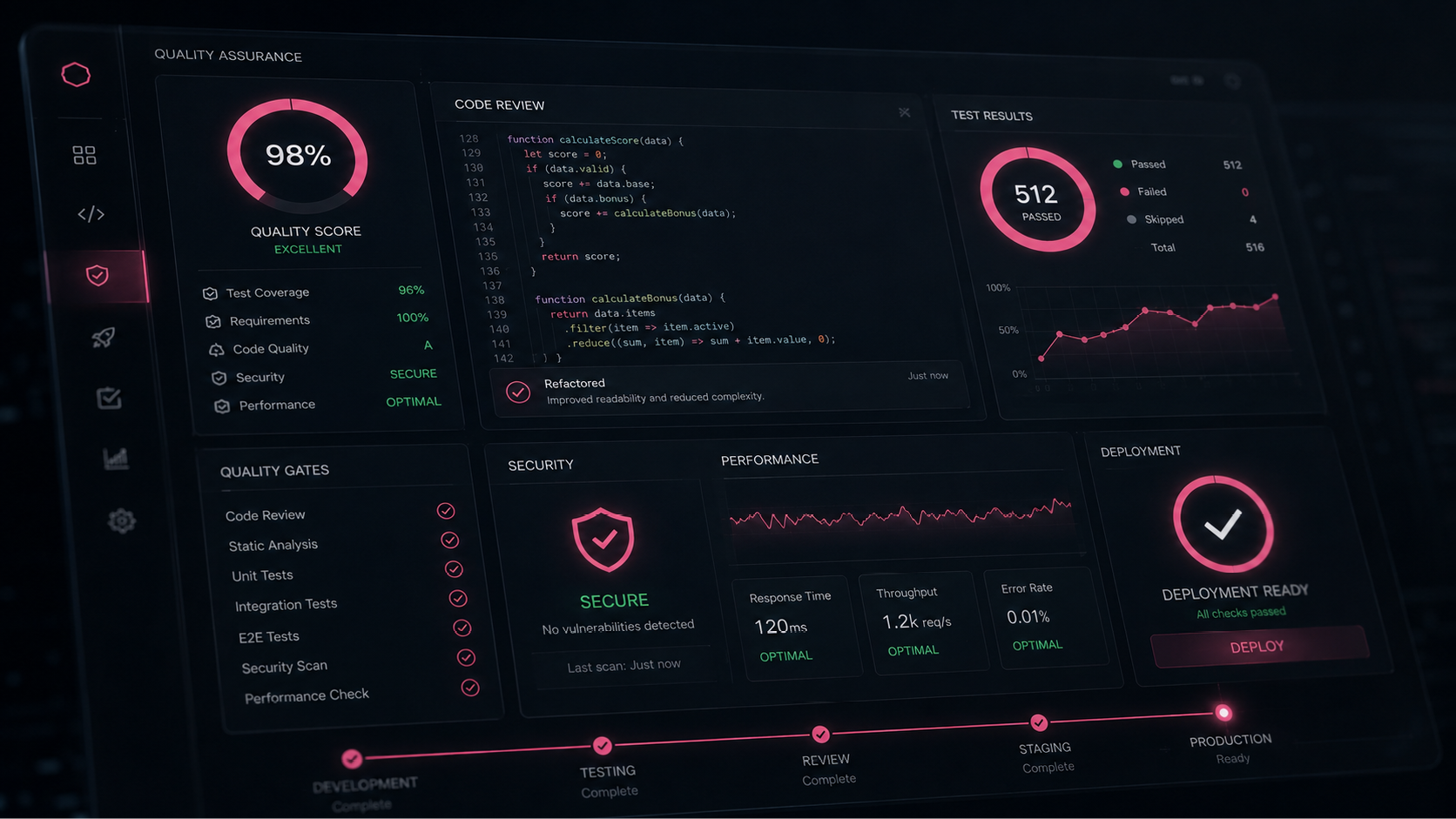
A question we hear a lot: how do you maintain quality when there's no one physically looking over your shoulder? The honest answer is that our QA process doesn't change based on who's watching. We run functionality testing, visual testing, and performance and data testing on every project, combining manual and automated testing depending on what the project actually needs. Whether it's an agency, a direct client, or nobody checking in that week, the bar for what gets delivered stays the same.
If you've been burned before by outsourcing
If you've had a bad offshore experience, we're not surprised. There are a lot of offshore shops chasing cheap work who simply don't have the processes, communication, or track record to back up what they promise.
Working with an offshore partner ultimately comes down to trust: trust that they have the skill to do the work, trust that they have real systems for communication and delivery, and trust that they're thinking like a partner rather than just executing a brief. That last part matters more than people expect.
The best offshore partners will push back on a spec, suggest a better approach, or flag something you hadn't considered, because that's what actually makes a project better than what was originally scoped.
Trust isn't something we ask for. It's built by doing what we say we'll do, project after project. That's why we often suggest agencies start with something smaller first: a single project to see how we communicate, how we handle a curveball, and how we deliver, before committing to anything bigger.
The one thing to take away
South Africa is quietly becoming one of the strongest places in the world to source high quality development work, and we think it deserves more attention than it gets.
Our job is to make the agencies we work with look good to their clients, whatever that takes: reliable delivery, honest communication, and the kind of technical input that makes a project better than it would have been otherwise. If you hand us a project, our goal is to make you shine.
Ready to hand off your next project with confidence?
You don't have to take our word for any of this. Bring us a real project, even a small one, and see how we scope it, communicate, and deliver. That's the fastest way to know if we're the right fit before you commit anything bigger to us.
Book a Discovery session and we'll walk through your project together: scope, timeline, cost, and exactly how communication will work from day one. No pressure, no long contracts to start. Just a clear picture of what working with us actually looks like.
Development outsourcing FAQs
What's the biggest concern agencies have about white-label offshore partners?
Whether the work will get delivered on time, at quality, and whether they'll be kept in the loop. Agencies carry the risk with their own client, so a partner going quiet or missing a deadline reflects directly on them.
Who is our main point of contact during a project?
A dedicated project manager assigned before the project kicks off, who stays the single point of contact from scoping through to delivery.
How do you handle communication across timezones?
Non-urgent updates go by email, timed so US clients have something to review each morning. Anything urgent or complex gets a call scheduled for our afternoon and the client's morning, clearing blockers before the next working day.
How is quality maintained without direct oversight?
Through a consistent internal QA process covering functionality, visual, and performance testing, using a mix of manual and automated testing regardless of who's checking in.
What makes Elemental different from other white-label providers?
Twenty years of experience means we act as a technical partner rather than an order taker, bringing suggestions and solutions to the table rather than just executing a brief as written.
Is offshore development actually cheaper than hiring locally?
Usually, yes, though the bigger value isn't just the rate. It's getting a full team (development, QA, and project management) for less than the cost of hiring the equivalent roles locally, without the overhead of recruiting and managing them directly.
What happens if we're not happy with the quality of the work delivered?
Our QA process is built to catch issues before delivery, not after. If something still isn't right, it goes back through revision as part of the process, the same way it would with an in-house team. Clear scoping upfront is what prevents most quality disputes before they start.
Do you sign NDAs and IP assignment agreements before starting?
Yes. We sign NDAs and IP assignment agreements as standard practice before any project work begins, so the agency and their client retain full ownership of everything we build.
Want to see how this would work for your next project?
The best way to find out if we're a fit is to start small. Bring us a project, even a modest one, and we'll run it through the same process described above: proper scoping, a dedicated project manager, clear communication, and delivery you can put your name behind with your client.
If you'd rather talk it through first, we offer a Discovery session where we scope the project together, clarify assumptions, and give you a clear picture of timeline and cost before anything is committed. Get in touch and let's find out if we're the right partner for your next handoff.