

Essential Features of EdTech Web Apps

EdTech, or education technology, has become an essential tool for enhancing teaching and learning by creating more engaging and personalised learning experiences through the use of EdTech websites and digital platforms.
While the concept of EdTech is by no means a new phenomenon, it is changing the way we learn through interactive and intuitive learning experiences. From amazing user interfaces to comprehensive assessment systems, these web-based tools offer a wealth of essential features that revolutionise the learning experience.
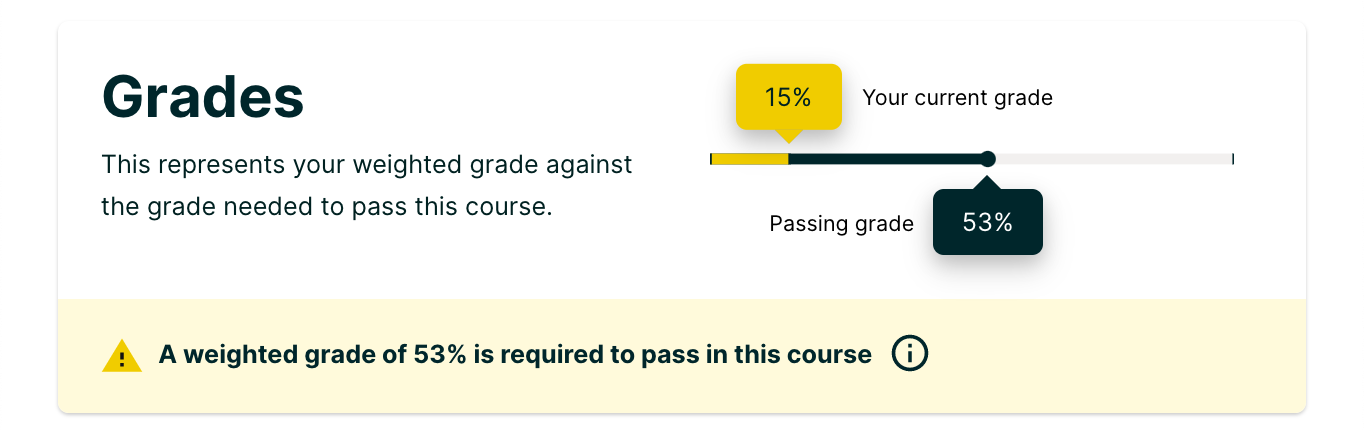
Personalisation, gamification elements, and real-time collaboration turn education into an adventure, and with the ability to visualise progress and data through dashboards, graphs, and gauges, gamified EdTech websites can bring out the full potential of every learner.
So, what are the essential features that make a great EdTech web application? Let’s talk about it.
SLICK RESPONSIVE USER INTERFACES
With great EdTech web apps, no learner is left behind - even if their tech isn’t the latest and greatest out there. The odds are that most learners are using a wide variety of devices. EdTech web apps need to have highly responsive user interfaces that work seamlessly on several different devices like smartphones, tablets, laptops, and desktop computers, so these web apps need to be able to adapt to all kinds of screen sizes and resolutions.
It’s imperative that these EdTech websites function seamlessly and consistently across all devices.
If the web app isn’t responsive, it may be difficult for learners to navigate and interact with educational content, worksheets, exercises, and assignments on smartphone and tablet screens, which could cause the learners to get frustrated and disengage from the learning experience.
Imagine trying to learn subjects like History on a tiny screen with an EdTech web app that operates like it’s prehistoric!
As remote learning becomes more prevalent, a responsive user interface becomes increasingly vital to students' learning experience. So, if you’re building a custom EdTech web app for optimal remote learning, a responsive UI is an absolute must-have!

DIFFERENT USER TYPES
Most EdTech web apps consist of different types of users. The user types can be comprised of some or all of the following user types:
1. Students/learners:
These are the real users of EdTech web apps. They are the ones who will be using it to complete assignments, consume learning materials, and review their progress. Their needs and preferences should be top of mind when designing exciting educational user interfaces.
The goal of the app should be to create personalised and engaging learning experiences that improve how students learn. So, take the time to get to know your users and what makes them tick. Get feedback and insights from the learners using the EdTech website on what kind of designs, features, elements and functionalities will make their learning experience both enjoyable and effective.
2. Parents/guardians:
Depending on the age of the students/learners, parents or guardians may also have access to the platform to give them insights into the content that the learner is consuming, how they are progressing through the learning tasks and what their results look like.
With some EdTech web apps, parents/guardians can also use the platform to keep track of their child’s assignment due dates as well as their class attendance.
3. Educators:
The role of educators in EdTech websites is crucial, as they play a key role in designing, creating and publishing educational content.
Not only are they responsible for content creation but they’re also responsible for marking assessments (those that cannot be automatically marked) and providing learners and parents with feedback.
4. Super administrators:
The role of a super administrator in an EdTech website is to have overall control and management of the website's backend and content.
They have the ability to manage all aspects of the web application, including user management, content, test and assessment data, and anything specific to their platform.
Super administrators also have access to data dashboards and powerful reporting tools which gives them the ability to interpret complex data in an easy-to-understand way.
WORK EXERCISES, TESTS AND ASSIGNMENTS
EdTech websites provide learners with a range of benefits that help them to learn more effectively, efficiently, and with greater enjoyment.
A major feature of any EdTech website is to provide learners with tools in which they can interact with the educational learning material that’s been loaded by the educators. This includes online tests and exams, worksheets, multimedia educational content, pop quizzes and more.
Although the primary goal of any EdTech platform is to facilitate learning, it’s equally as important for learners to assess their progress and how well they understand the learning material.
Progress tracking in EdTech websites lets teachers and students track their progress with features like progress reports and highly visual dashboards.
This real-time feedback on student performance motivates learners to stay on top of their studies, identify knowledge gaps, and take proactive steps towards improvement. Parents, too, can keep track of their child's progress and offer support where needed to ensure that their kid’s education is on track.
GAMIFICATION
Gamification levels up EdTech platforms by turning the world of education into a playground. The incorporation of game elements and mechanisms into the learning process leverages the motivational and rewarding aspects of games to enhance engagement in activities like studying, taking tests, completing assignments, and participating in pop quizzes, among many more educational activities. This promotes increased participation and creates a fun and positive learning experience because let’s face it: learning can be a total snooze-fest.
By introducing elements like points, levels, badges, avatars, leaderboards, and rewards, students feel a sense of achievement and progress as they navigate through the learning material. They feel rewarded when they complete an activity and accomplish their next reward.
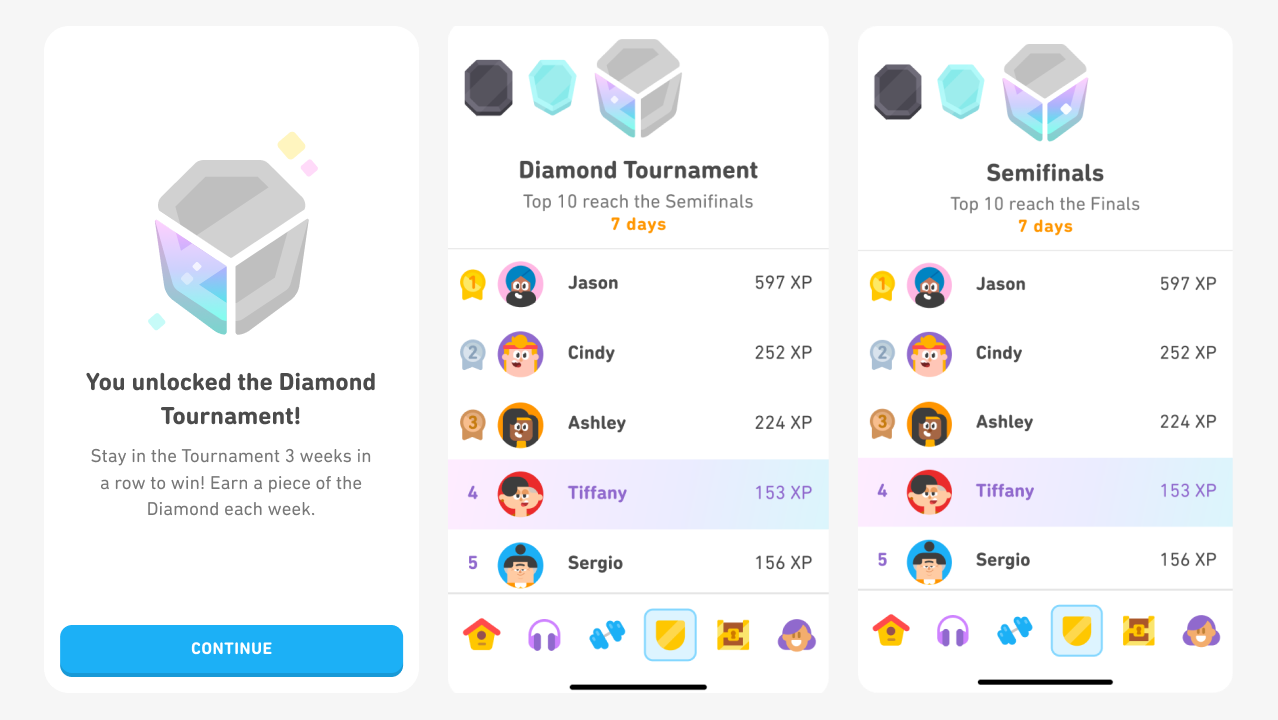
Gamification in EdTech websites is one of the secret ingredients that make these kinds of websites so engaging. By turning learning into a game, EdTech websites promote competitiveness where learners compete against each other to gain as many points and rewards as possible so that they can top the leaderboard for all to see.
The best part is that the competition is not only fun but really effective too. As learners engage more with the platform, they’re inadvertently learning more, and that’s what EdTech is all about!
Don’t underestimate the power of gamification in EdTec websites. It can make a world of difference in how learners engage and interact with online education via EdTech platforms.
CONTENT EDITING
An EdTech web app can have the best features and functionality but if the learning content is inaccurate or outdated it can have several negative consequences for the learners and the website.
The role of content editing in an EdTech website is to ensure that the educational content on the site is of high quality, accurate, engaging, and aligned with the site's learning objectives.
Educators need to have the flexibility of being able to adapt and evolve the content on the platform with ease, which is why it is necessary for EdTech web apps to provide educators with the ability to edit and manage their content quickly and without restrictions.
The process of loading content on an EdTech website may vary depending on the platform and its features. However, typically, educators have access to a secure portal on the website where they are able to carry out their content management duties.
The actual editing of content is usually done through a custom-developed Content Management System (CMS), as this allows the educators to create, organise and upload learning material.
The CMS allows for the management of various types of content such as content pages, videos, audio files, and other multimedia elements.
Another nifty feature that the CMS offers is the ability to load and then schedule content.
Overall, educators can load content on an EdTech website using a variety of tools and methods, depending on the website that has been developed and its features.
REPORTING
Reporting plays a critical role in an EdTech web application by providing insights into the effectiveness of the learning material, the learning progress of the learners on the platform and assessing the impact of the website.
When it comes to the visualisation and understanding of data in EdTech, there are a variety of options available to display this data. One particularly effective approach is through the use of highly visual dashboards. These dashboards present data in a way that is not only easy to access but also visually appealing and simple to understand. They typically include a variety of visual aids such as graphs, charts, and other high-level metrics that provide a comprehensive snapshot of the data at a glance.
By using these visual dashboards, educators and learners alike can quickly analyse data and identify patterns and trends, which can help them make more informed decisions about their teaching and learning strategies. Plus, they're just plain fun to look at!
Other reporting tools include data tables that combined with searching and filtering tools allow users to query and drill down into the data to dissect it from various angles.
Ultimately these tools are meant to provide EdTech platform owners with answers to various questions such as:
- Which subjects and grades are the most engaged?
- Which ones are the least engaged?
- Who are the most active and inactive learners on the platform?
- What is the churn rate?
The answers to these and other questions can be used for research and data gathering to make decisions on future features and enhancements to the platforms.

ECOMMERCE PAYMENTS
Getting users to pay for access to the platform is an obvious requirement and the quicker and easier you can get users to sign up and pay, the greater success your EdTech website will have.
From an eCommerce payment perspective, various options can be presented to prospective customers.
You could allow them to pick and choose which courses they want to pay for, which follows the typical eCommerce model of the user adding products to their shopping cart, checking out and then paying for these products.
On the other hand, subscription-based payments are very popular with EdTech websites, where users pay a fee to access the platform and they then have access to the entire platform as long as they are subscribed.
Subscriptions can become more complex where there could be a monthly subscription option and a yearly subscription option. Providing users with options makes it attractive to them to go ahead and purchase a subscription based on their preferences.
Once-off and subscription payments should be made quickly and in as few steps as possible from a user’s perspective to ensure that they convert to paying customers and don’t drop off the purchasing journey.
Needless to say, all payments are processed via third-payment gateways that handle the processing and security of the actual payment.

AUTOMATED NOTIFICATIONS
Effective communication is essential for any successful EdTech platform, and that’s why automated notifications are integral to these types of websites.
Keeping all the different users of the EdTech platform informed of activities enhances their user experience and drives action. Automated notifications can take place in various shapes and forms, such as email notifications, web push notifications, text messages and in web app notifications.
The power of these notifications lies in their ability to be customised based on specific timeframes or triggered by certain actions (or the absence of actions) taken by users. This level of automation adds tremendous value to the platform's users, empowering them with relevant information and driving their engagement.
Email notifications are a versatile way of reaching users directly in their inboxes. This is great for delivering important updates, like upcoming events, new courses, and pricing updates. Email notifications help to keep the users informed and connected outside of the platform itself, and can, in turn, motivate users to log back onto the platform.
Web push notifications work by reaching users in real time. The notifications are small and unobtrusive alerts which appear on a user’s device and are typically used when alerting users of an activity that needs immediate attention.
Text messages or SMS notifications are another direct line of communication EdTech websites can use to engage with their users. These types of notifications enable the platform to get time-sensitive updates, reminders, or promotions directly to the users’ mobile devices. This sees to it that users never miss a beat regardless of their online presence.
EdTech websites should also make use of in-app notifications, which create an integrated experience for the users while using the platform. These custom notifications can be triggered by set user actions or reaching milestones on the platform. EdTech websites could use these notifications to make users feel good about their progress and engagement, and in doing so, keeps them motivated to keep on learning.
RATINGS AND REVIEWS
Ratings and reviews are part and parcel of many EdTech websites for good reason. They serve as valuable feedback channels for different types of users. Learners can use ratings and reviews to express their thoughts on different aspects of the EdTech platform, like the course content, educator performance, task and assignment experience, and more.
These reviews are pivotal for improving the EdTech websites by providing invaluable insights that could improve the overall learning experience, and let future learners know what they can expect from the quality of the courses and their delivery.
On the other hand, educators can provide useful feedback by rating a learner’s engagement and performance. This is just one example of how the EdTech ecosystem thrives on feedback.
Gathering the data from these reviews and ratings is almost equally as important as being able to understand and interpret it effectively.
Different platform users are interested in different ratings and reviews. Parents, for example, can review feedback on their child’s progress and performance to gain insights into how they are doing.
Educators can review feedback on their teaching engagements and their course content to help them gauge the effectiveness of their approaches and assignments.
EdTech platform owners can view all these metrics and make informed decisions about changes that need to be made.
SECURITY
EdTech platforms tend to work with children’s personal information to some extent. It’s a no-brainer that these websites should have security as a top priority but it’s not just the children's information that needs to be protected. All users, be it students, educators, or parents, must feel safe and secure while using these platforms. That's why strict security measures are essential to safeguard all the data stored within the EdTech platform and restrict access to authorised users only.
Implementing robust security layers on EdTech platforms is crucial for upholding the integrity of the system and maintaining uninterrupted access to the platform.
It goes without saying that security is compulsory for every EdTech website and this should be considered and built-in from the start, to create a safe and trustworthy learning environment for students, educators and parents.
LET'S WRAP THIS UP
EdTech websites and web apps come in many shapes and sizes, offering different experiences, features and content to their users. However many of these EdTech platforms will require some or all of the essential features that we’ve covered in this article.
All of this can be overwhelming and you might not even know where to start when considering launching your own EdTech website but don’t worry, we’re an experienced web development agency with loads of experience in designing, developing and launching custom EdTech websites. We’re here to guide you through this process from start to finish, taking your concept from an idea to a fully-fledged, world-class product, that you can be proud of.
Looking to develop or enhance an existing EdTech website? Reach out to us as we’d love to help.