IoT: Exploring the Interaction between Web Development and IoT Devices

The Internet of Things (IoT) has revolutionised the way we interact with technology, turning everyday objects into smart, interconnected devices. From smart home automation to industrial applications, IoT devices have become an integral part of our lives, whether we know it or not.
What really empowers these smart devices is custom web development, which enables seamless communication and data exchange combined with sophisticated web interfaces that empower users to interact with these devices.
In this article, we will delve into the fascinating world where web development and IoT converge, unleashing the potential of smarter connections
Before we explore how IoT devices work hand in hand with web development, let’s take a look at each of these respective elements.
1. WHAT ARE INTERNET OF THINGS (IOT) DEVICES?
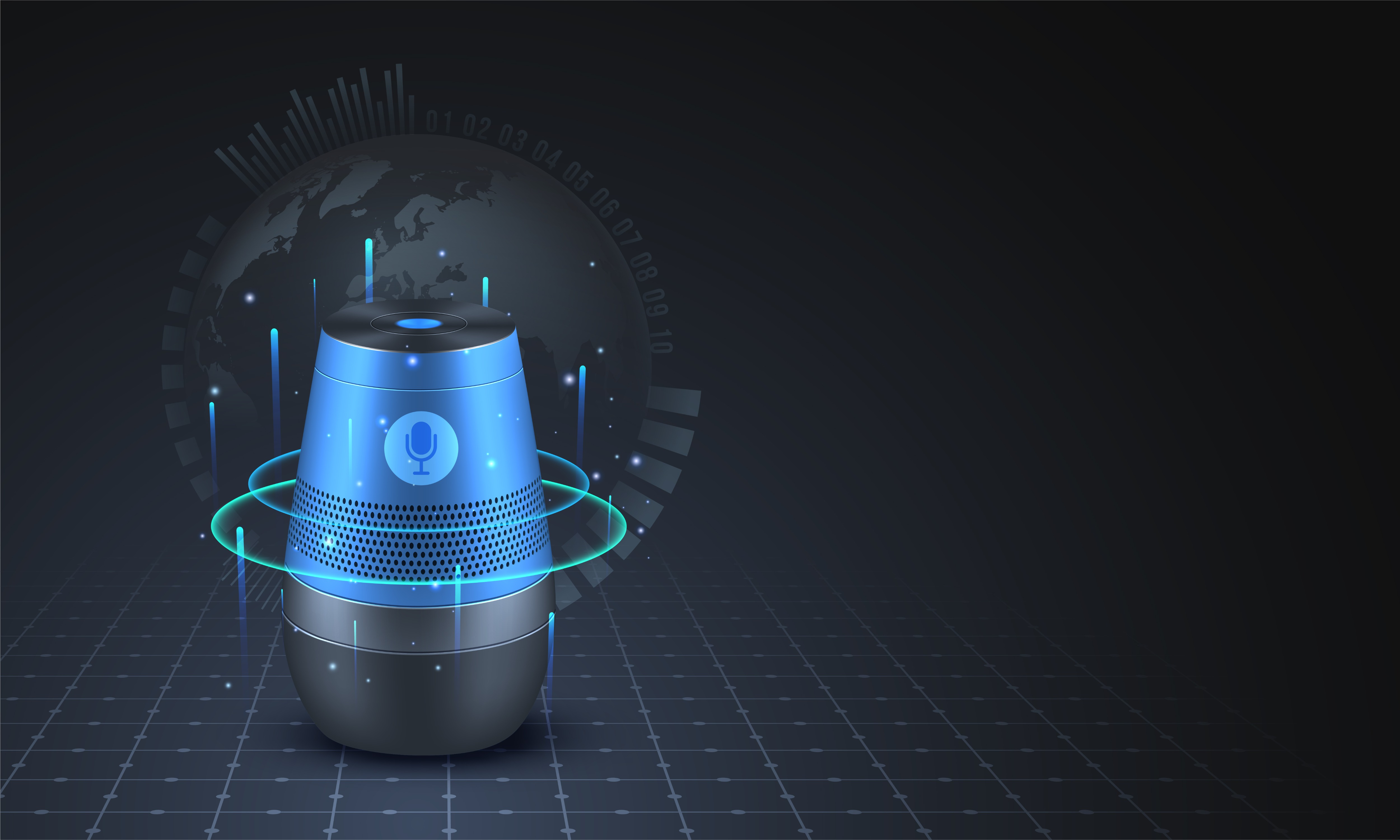
IoT devices, short for "Internet of Things" devices, are physical hardware objects or objects with embedded electronics, sensors, software, and network connectivity that enable them to collect, exchange, and process data. These devices are designed and created to interact with other devices or systems over the internet, which allows them to communicate and perform specific tasks without direct human interaction.
You’ll be surprised to learn that you’ve probably been using IoT devices for many years without even realising it.
IoT devices come in a variety of shapes and sizes, ranging from small, simple gadgets to complex systems.
Smart home devices (such as security cameras), wearable devices (such as smartwatches and fitness trackers), industrial sensors, environmental monitoring devices, smart home appliances (such as washing machines and ovens), healthcare devices, and other of these types of devices are all examples of IoT devices.
As you can imagine, there are numerous different IoT devices used in many industries to carry out specific tasks.
The data collected by these IoT devices can be sent to cloud-based platforms for storage, analysis, and processing.
2. WHAT EXACTLY IS WEB DEVELOPMENT?
Web development refers to the process of designing, developing, and maintaining websites and web applications that run on the internet or on an intranet.
It involves the combination of activities such as web design and programming with a multitude of technologies to develop visually appealing and functional websites that are accessed through a web browser such as Google Chrome or Safari.
Web development has rapidly evolved over the past few years, encompassing disciplines such as front-end development, back-end development, website design, and user experience (UX) design.
Web development includes a number of technologies, including libraries and web frameworks (such as Angular, React, Laravel, etc.), which are all used to leverage pre-built components and streamline development.
3. THE POWERFUL COMBINATION OF WEB DEVELOPMENT AND IOT DEVICES
While web development and IoT devices are very different in their nature, they do combine extremely well to create a symbiotic relationship that results in the creation of intelligent and interactive devices.
IoT devices generate massive amounts of data based on their usage and the functions that they’ve been designed to carry out.
The web development process encompasses the design and development of powerful and user-friendly web interfaces and scalable platforms that store and handle the data generated by IoT devices and allow users to interact with these devices.
The combination of web development and IoT devices opens up a world of possibilities for end-users and developers alike.
4. HOW DOES DATA FLOW FROM IOT DEVICES TO A WEB APPLICATION?
Securely gathering and storing data
We’ve previously mentioned that these IoT devices are responsible for generating tons of raw data, which by itself doesn’t mean much; however, by gathering and converting this data into meaningful information, we give users the power to interpret the data and interact with it.
But before we go there, we need to understand how data flows from IoT devices to a web application.
To explain this in more detail, let’s use an example of IoT devices such as smart water metres. These IoT devices are typically installed at industrial plants, farms, and residential estates. They’re responsible for gathering data (through sensors built into the device) and sending data about water usage on a frequent basis. So where does this data end up going?
Well, this setup can vary from project to project, but typically each IoT device is programmed to send data to a central cloud-based location, which is responsible for securely receiving and storing the data in a structured manner in some sort of central database.
Picture this: on the server where this central database resides, there is most likely some form of web application that has been developed to receive data, check that it’s in the correct format, and that it has been sent from a verified device. Once this is done, the data is segmented and stored securely in the cloud-based database.
How web applications access IoT device data
Now that the data has been transmitted from the IoT device and securely processed and stored in the database, the web application is now able to access this data.
How the web application accesses this data is quite simple, in fact. The web application securely connects to the database (over the internet), where it is able to gain access to the data.
Requesting this data from the database means creating different queries that are used to dissect and segment the data, meaning only the necessary data is returned in a pre-defined format, which is then used by the web application to render this information in a user-friendly format.
5. USER-FRIENDLY WEB-BASED INTERFACES PROMOTE ENGAGEMENT
Through the development of custom web-based platforms and interfaces, users are empowered to understand the statuses of their IoT devices and how each of them is performing.
Functionality developed into web applications allows users to communicate with the IoT devices. IoT devices often require real-time communication to enable instant responses and updates.
WebSockets, a technology that is supported and built into modern web browsers, enable two-way communication between the web application and the IoT device. This real-time connection allows for seamless data exchange, making it ideal for applications like home automation, remote monitoring, and collaborative IoT systems.
6. DATA VISUALISATION AND INSIGHTS THROUGH WEB APPS
IoT devices generate vast amounts of data over time. Aggregating this data and making sense of it can be a significant challenge.
Web development provides a great solution to this challenge, with the ability for data visualisation tools to be created.
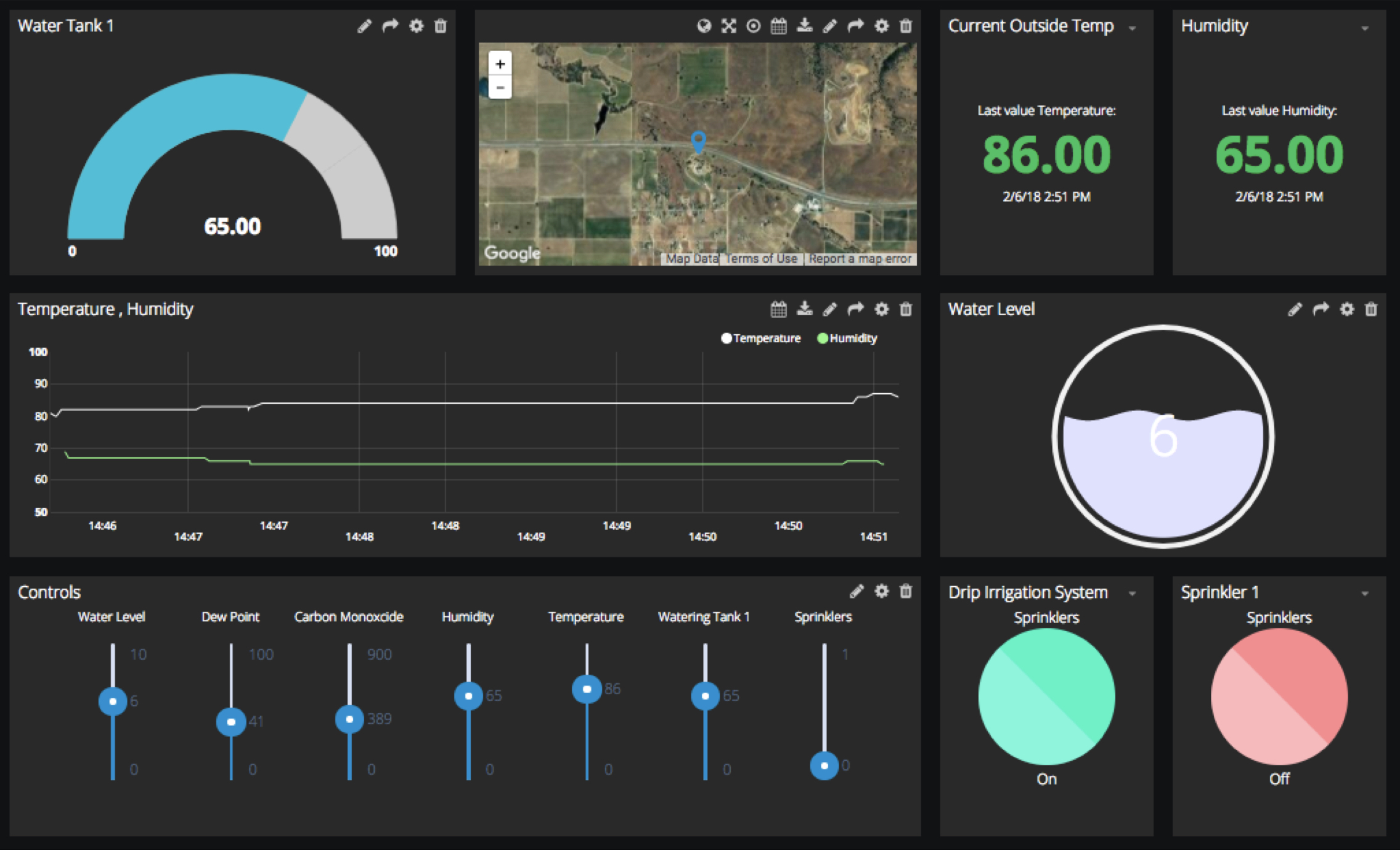
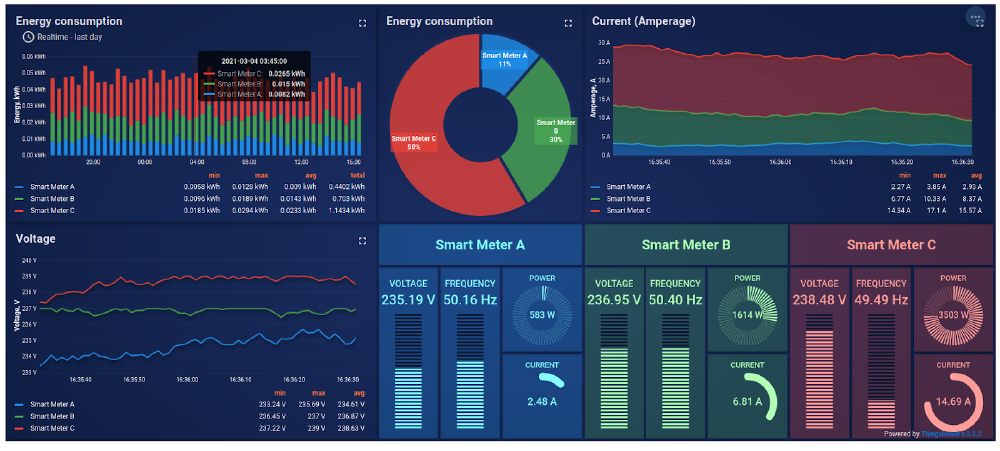
These data visualisation tools consist of highly visual and interactive features such as dashboards, graphs, and charts, which take complex data and turn it into beautiful visual renders that are easily understandable by users.
Not only do these visualisation tools make it extremely easy for users to interpret data, another added benefit is that they also provide drill-down features, allowing users to interrogate the data in smaller data sets.
Through sophisticated visualisation tools, users are able to grasp trends, patterns, and anomalies. These data-driven insights empower users to make informed decisions and take timely actions, making IoT devices more valuable and effective.
LET'S WRAP THIS UP
IoT devices are important to perform the primary function that they were designed for; however, by combining the data that these IoT devices generate with power web applications, the use cases grow tremendously.
IoT devices, with their ability to collect and process data, are powered by custom web development, which creates seamless communication and user-friendly interfaces. The potential of this convergence is immense, spanning across industries and enhancing our daily lives.
Our expertise lies in creating powerful, scalable web applications that facilitate secure data gathering, storage, and real-time communication with IoT devices.
If you are a business looking to enhance your industrial processes with IoT solutions, we are here to assist you. Let’s talk.